
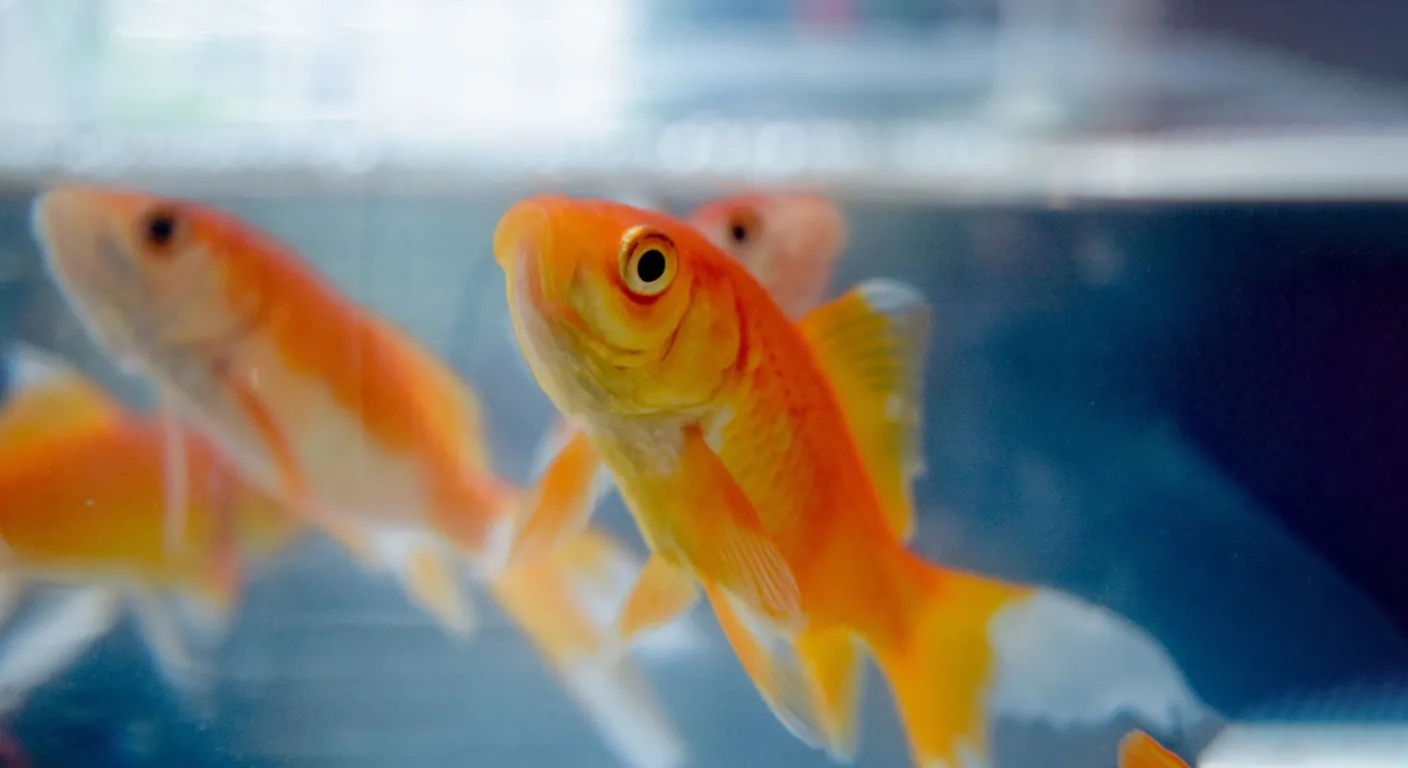
When I first got into fishkeeping, I had this one pleco that would just… disappear. Like, completely vanish for days. I’d panic, checking water parameters, moving decorations around, convinced something terrible had happened. Turns out? He was just being a pleco. They like hiding. That’s literally what they do. But nobody told me that, so I spent weeks stressed out about a fish that was probably having the time of his life wedged behind a piece of driftwood.
The whole experience taught me something pretty important: fish behavior can look really weird when you don’t know what’s normal. Some fish burrow. Some hang out at the surface. Some are super active, others barely move. And figuring out what’s normal versus what’s a problem? That’s the difference between a healthy tank and constant anxiety.
In this guide, we’re going to talk about how to actually tell if your fish are happy, what makes them that way, and the key factors that affect their overall well-being.
Understanding Fish: Happy Or Stress
Look, fish can’t exactly tell you how they’re feeling. They can’t come up to you and be like “hey, the water’s a bit cold today” or “that new tank mate is kind of a jerk.” So you have to learn their language, which is basically just watching what they do.
Happiness vs. Health vs. Stress
These three things are related, but they’re not the same, and that matters. A fish can be technically healthy (no diseases, eating fine) but stressed out because the tank’s overcrowded or the filter flow is too strong. Or a fish might seem happy and active, but actually have an early-stage illness you haven’t noticed yet.
Happiness is when a fish is displaying natural behaviors for its species. Not hiding when it normally wouldn’t. Not constantly stressed. Just doing its thing in a relaxed way. Health is the physical condition: clear eyes, intact fins, normal body shape, and no visible diseases. Stress is the response to poor conditions, and it can be temporary or chronic. A fish that’s stressed long-term will eventually become unhealthy.
The key thing? You need to look at both body and behavior over time. One day of weird behavior doesn’t mean disaster. But a week of it? Yeah, something’s probably off.

Why Fish Behavior Is Your Best Clue
Fish behavior reacts fast to even small environmental changes. Way faster than visible health problems show up. So if you’re paying attention, behavior becomes your early warning system.
Watch for:
Water parameter shifts even before you test. Fish often act differently when ammonia creeps up or pH swings
Baseline patterns for each fish, so you know what normal looks like for that individual
Swimming, feeding, and resting habits throughout the day, not just when you walk past the tank
Social dynamics, if you’ve got multiple fish. Who’s chasing who, who’s avoiding
What Signs Show Your Fish Are Likely Happy
Okay, so what does a happy fish actually look like? Because it’s not like they’re going to do a little dance for you (though some cichlids kind of do, which is adorable).
Active but Not Frantic Swimming
Happy fish move with purpose. They’re exploring, checking out decorations, cruising around doing fish stuff. It looks relaxed. Natural. They might rest sometimes, might swim faster when excited about food, but it’s all pretty smooth.
What you want to see: fish exploring their environment, swimming in their normal pattern (some are top dwellers, some hang at the bottom), doing their regular daily routine without looking panicked.
Red flags: lethargy where they’re just sitting at the bottom or floating at the surface barely moving, frantic glass surfing like they’re trying to escape, constant pacing in the same pattern over and over.
Healthy Appetite and Feeding Behavior
This one’s pretty straightforward. Happy fish are generally excited about food. Not always (some species are shy feeders, some are picky), but for most fish, feeding time should be engaging.
Normal looks like: swimming up to meet you when you approach (if they’re not shy species), actively searching for food when you drop it in, finishing most of what you give them within a few minutes, competing with tank mates in a normal way.
Mild concern signs: suddenly losing interest in food when they used to be eager, spitting food out repeatedly, hiding during feeding when they normally wouldn’t, one fish getting completely shut out from eating.
Natural Posture and Breathing
You want to see fins open and spread out, not clamped tight against the body. The body should be straight and normal for the species. Not bent, not bloated, not sunken. Fish should be holding themselves in a natural position in the water.
Breathing matters more than people realize. Gills should be moving steadily but not rapidly. No gasping at the surface. No hanging near the filter output, desperately trying to get more oxygen. Changes in breathing rate are often one of the very first stress signs, and a lot of people miss it because they’re not looking for it.
Bright Colors and Intact Fins
Many species show richer, deeper colors when they’re comfortable and stress-free. Not all fish are brightly colored, but even the duller species tend to look… sharper? Crisper? When they’re doing well. Colors can change temporarily with mood, lighting, and breeding behavior, though, so don’t panic if your fish looks slightly different one day.
Fins should be intact. No shredding, no tears, no clamping where they’re held tight against the body. Fin damage can be from aggression, poor water quality, or disease, but healthy, happy fish generally have nice fins.
Different Signs of Happy Fish: How Behavior Varies by Species
Here’s the thing that trips people up: happiness looks completely different depending on what kind of fish you have. A happy betta acts nothing like a happy cory catfish. Natural lifestyles matter. A lot.
| Fish Type / Example | Happy Behavior Looks Like | Unhappy Behavior Looks Like |
| Schooling fish (tetras, rasboras) | Swimming together in loose groups, exploring as a unit, synchronized movement, all fish participating | Individuals hiding alone, scattered, and avoiding each other, one fish is constantly chased or isolated |
| Solitary fish (bettas, some cichlids) | Patrolling territory calmly, building bubble nests (bettas), interacting with the environment, and brief displays of dominance | Constant aggression, hiding all the time, glass surfing, torn fins from fighting |
| Bottom dwellers (corydoras, loaches) | Actively foraging along the substrate, social interaction with the same species, and resting together | Staying motionless for long periods, gulping air excessively, and avoiding usual feeding spots |
| Nocturnal/shy species (plecos, some catfish) | Coming out at night or feeding time, maintaining hideouts, and occasional daytime appearances | Never emerging even at night, dramatic weight loss, abandoning territory |
Quick reminder: “happy” means normal for that species. A healthy, content pleco that hides all day is doing exactly what it should be. Don’t expect it to act like a guppy.
Factors That Show the Happiness of Fish
Time of day matters more than you’d think. Some fish are morning people (well, fish). Others don’t really wake up until evening. Judge behavior based on when that species is naturally active.
Age plays a role, too. Young fish are often more active and bold. Older fish might slow down, rest more, and be less interested in shenanigans. That’s normal aging, not unhappiness.
Individual personality is real. I’ve had tetras from the same school where one was super outgoing, and one was always a bit nervous. Both were healthy. Just different personalities.
Subtle Signs Your Fish Are Not Happy
After covering the good stuff, let’s talk about the warning signs. The stuff that means you should probably start investigating.
Behavioral Warning Signs
Increased hiding, especially in fish that were previously outgoing and social
Sudden aggression or a previously peaceful fish becoming a bully, or one victim getting constantly chased.
Repetitive behaviors like glass surfing, constant pacing in the same pattern, rubbing on objects repeatedly (possible irritation or parasites)
Physical and Health-Related Signs
Clamped fins pressed tight against the body, dulled or blotchy colors that look faded
Abnormal breathing patterns with rapid gill movement or gasping at the surface
Body changes, including bloating, sunken belly, white spots, fungus, cloudy eyes, or other visible disease signs
Quick “Red Flag” Combinations
Some combinations mean “take action soon, not later”:
Gasping at the surface plus rapid gills = possible water quality issue or oxygen problem
Clamped fins, hiding plus no appetite = stress or early illness developing
Rubbing on décor plus visible spots or excess slime = irritation, parasites, or poor water conditions
How Environment and Water Affect Happiness
Behavior and environment are super-connected. You can’t really separate them. A fish’s mood is basically a direct reflection of its living conditions.
1. Water Quality and Stability
This is the foundation of everything. Water parameters need to be appropriate for your species. Ammonia and nitrite at zero, nitrates low, pH stable, temperature consistent.
Stress comes from sudden temperature swings (heater malfunction or sitting near a window), uncycled tanks where ammonia builds up, infrequent water changes, and overfeeding that crashes water quality.
Regular testing is your friend. Small, consistent water changes (like 20 to 30 percent weekly) beat out rare massive changes that shock the system.
2. Tank Size, Layout, and Hiding Places
Fish need adequate space for their adult size and activity level. A common pleco in a 20-gallon? That’s not going to work long-term, no matter how happy it seems as a juvenile.
Hardscape and plants do more than look nice. They provide cover, create line-of-sight breaks so fish can escape each other’s view, and offer resting spots. A good layout reduces stress by letting fish establish territories and have their own space, even in a community tank.
3. Tank Mates and Stocking Levels
Overcrowding creates constant problems. Chasing, competition for food, and poor water quality from too much bioload. None of that makes for happy fish.
Compatibility matters. Peaceful community species together? Great. Aggressive cichlids with long-finned bettas? Disaster waiting to happen. Find nippers with fancy guppies? You’re basically asking for shredded fins.
A calm community tank where everyone can eat, rest, and swim without constant harassment is a major sign you’ve got a “happy” setup.
How to Make Your Fish Happier
Observations are great, but what do you actually do with that information?
Build a simple observation routine. Spend a few minutes each day just watching. Not feeding, not cleaning, just observing. You’ll start noticing patterns and catch problems early.
Improve water and tank conditions. Test regularly. Keep up with water changes. Make sure filtration is adequate, but not creating a crazy current. Match temperature to species needs. It’s boring maintenance stuff, but it’s the foundation.
Add enrichment and mental stimulation. Rearrange decorations occasionally (not constantly, that’s stressful). Add new plants. Variety diet with different foods. Some fish genuinely seem to enjoy novelty. Others hate change. Know your species.
Know when to seek help. If multiple fish are showing stress signs, if one fish is clearly sick, or if you can’t figure out what’s wrong, then ask. Online forums, local fish stores, and experienced hobbyists. Don’t just hope it goes away.
Conclusion
A happy fish is basically a healthy, stress-free fish doing what its species naturally does. Some fish are bold explorers. Others are shy hiders. Both can be equally happy if their needs are met. The signs of happiness versus stress aren’t always obvious at first, but once you know what to look for, they become pretty clear. Active swimming, healthy appetite, natural posture, and bright colors. These are your green lights. Hiding, clamping, gasping, strange behavior.
Those are your warning signals. Making fish happier isn’t complicated, but it does require actually paying attention and being willing to adjust conditions when something’s off. Watch your fish. Learn their quirks. Figure out what normal looks like for each species and individual. Because once you understand their language, fishkeeping gets a lot less stressful for everyone involved.
FAQ
1. How can I tell if I’m overfeeding my fish?
If there’s food still floating around or sitting on the substrate 5 minutes after feeding, you’re giving too much. Also watch for cloudy water, excessive algae growth, and fish that look bloated. Most fish should eat what you give them within 2 to 3 minutes.
2. I found my fish close their eyes at night. Do fish close their eyes when sleeping?
Most fish don’t have eyelids, so they can’t actually close their eyes. They do sleep, though. They just do it with their eyes open, usually staying still in one spot or resting on the bottom. Some species hover in place, others lie down. It looks different from being sick because they wake up and start moving normally when disturbed.
3. How do you know if fish are hungry?
Hungry fish usually swim to the surface or front of the tank when you approach, especially around normal feeding time. They’ll actively search for food and eat quickly when you give it to them. But here’s the thing: fish will often act hungry even when they’re not. They’re opportunistic feeders. Don’t let them guilt you into overfeeding.
3.7 Gal Aquarium Kit: Filter, 10-Color Light, Self-Cleaning,...
Original price was: $81.99.$77.39Current price is: $77.39.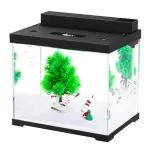




Add comment
You must be logged in to post a comment.