

To newcomers, selecting fish may seem easier than choosing the correct aquarium substrate. A lot of newbies are obsessed with the visual appeal. However, the lower part of the aquarium has a direct impact on the health of fish and the stability of the tank. The most common beginner substrates are gravel and sand, although each is used for different tank requirements.
Gravel gives it order, cleaning, and even changing arrangements. Sand gives a natural look and helps in providing food to particular species that live at the bottom. There are tanks where gravel is better and ones where sand is better.
This guide will give you a comparison of gravel and sand depending on the point of view of a beginner who considers factors like easy setup, maintenance, safety of fish, and future planting goals.
What Kind of Substrate Do Beginners Truly Need
In the case of a beginning aquarium, you should require a substrate that promotes stability, safety, and confidence in learning. The substrate should not cause any harm to the mouths, fins, and sensitive body parts of fish and invertebrates.
It does not need any special adjustments to work with such dishes as shrimp, snails, and community fish. Simple siphons are required to accomplish easy cleaning, as novices still have to learn the routine of cleaning.
A forgiving substrate contributes to making you fix up on errors without damaging the quality of water at a very fast rate. It is also important to have flexibility in case you want to switch the fish species or insert the live plants. The appropriate starting material encourages development, adapts to change, and eliminates initial frustration.
Three Key Factors When Choosing a Substrate
When you put your attention to the functionality rather than to appearance, it is easier to pick the appropriate substrate. Substrate should be counterbalanced by the behavior of the fish in a tank, clarifying why a system cleaner is important, and long-range objectives in the tank for beginners.
1. Fish and Invertebrates
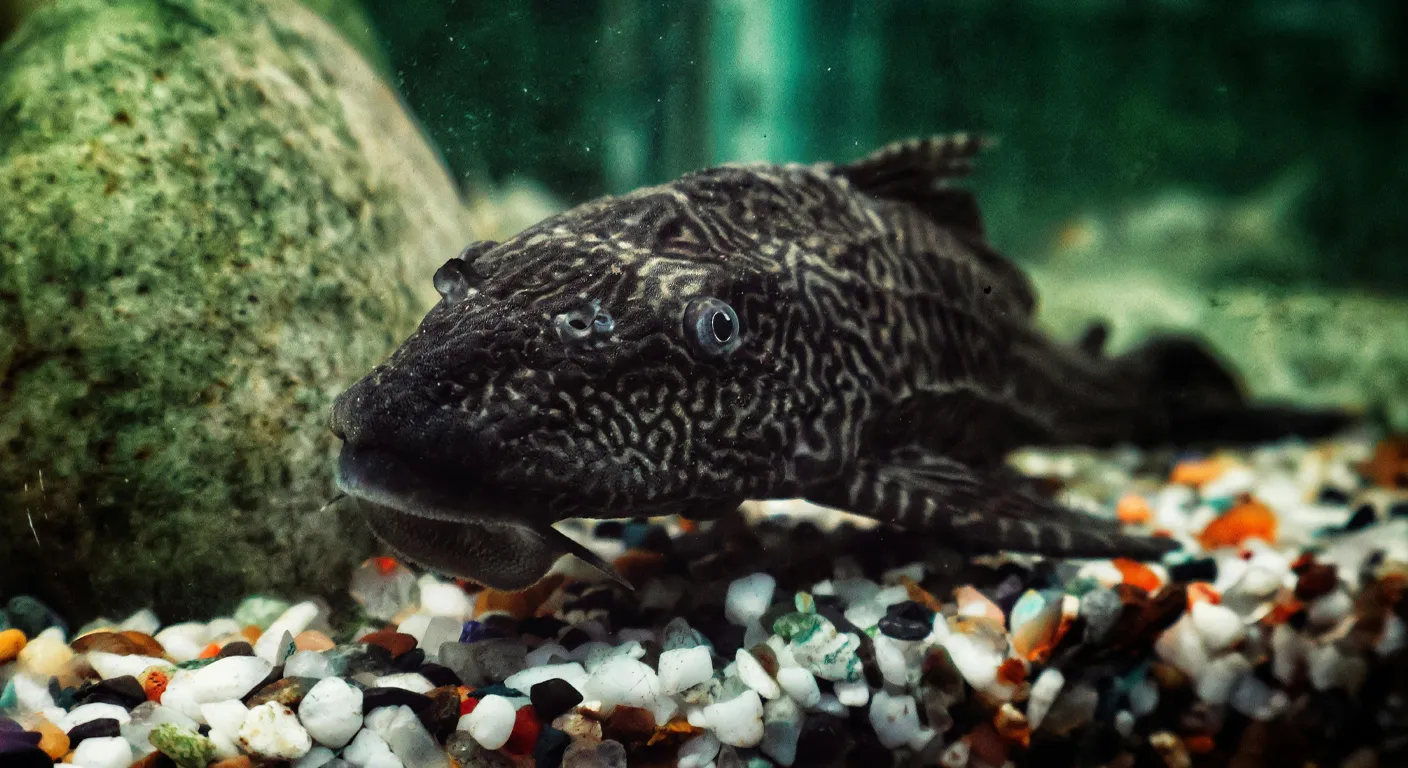
Fish behavior has a significant influence on substrate selection, particularly among bottom consumers. Corydoras, loaches, shrimp, and snails keep poking in the substrate and excavating it.
During the course of time, sharp or rough gravel may damage delicate mouths, barbels, and shells. Raised gravel of sand or plain smooth and rounded gravel is more protective and conducive to free behavior. Aquatic fish in the middle of the water interact with it less and can withstand gravel more easily.
2. Maintenance Personality
Take your tolerance of daily cleaning as the guiding factor of your choice in selecting a substrate. Gravel is easy to use with beginners who are simple and predictable in the maintenance rules. Stone blocks are used to have the waste in between the stones so that it can be removed with ease using normal siphons.
One should control the siphoning of sand to prevent cloudiness and loss of materials. In case you want simple weekly cleaning and do not need to perfect the technique, the gravel would be an appropriate kind to match your maintenance.
3. Visual and Planting Goals
Substrate has a great effect on the appearance of the aquarium and the performance of plants. Gravel supports with beginner plants have to be combined with root tabs and an average amount of light.
Sand gives the appearance of a natural riverbed, but restricts the penetration of roots lacking additional nutrients. Gravel offers flexibility for future upgrades of the plants. Aesthetic aspirations are important, yet the practical needs must be taken into consideration in the initial selection.
Gravel vs Sand: Quick Comparison
Both gravel and sand are known freshwater substrates, having varying beginner benefits. Gravel can be used with flexibility, ease of use, and mixed community tanks. Sand is great for bottom-dwelling and comfort with a natural appearance.
The gravel may be less demanding to maintain and less demanding of errors. Sand uses both methods, but many methodical aquarists prefer naturalistic effects. Understanding these differences helps you avoid early frustration.
Comparison Table
| Factor | Gravel | Sand |
| Safety for fish | Safe when smooth and rounded | Excellent for bottom dwellers |
| Ease of cleaning | Very easy with a siphon | Requires careful siphoning |
| Plant suitability | Good with root tabs | Limited without nutrient layers |
| Cost and availability | Widely available and affordable | Sometimes slightly higher cost |
| Learning curve | Beginner friendly | Requires practice |
| Visual style | Decorative and versatile | Natural riverbed appearance |
Step-by-Step Guide to Choosing the Right Substrate
Step 1: What Kind of Fish Are You Planning to Keep
Substrate choice must be under the influence of fish behavior first, and then aesthetics. Typically, bottom-dwelling and burrowing fish need sand in the long run. Kuhli loaches and other similar animal species sift the sand during feeding. Their barbs may be damaged by gravel gradually, causing stress.
Swimmers such as tetra, guppies, and rasboras are found in mid-waters and develop well on fine gravel. Heavy waste producing fishes like goldfish are mishandled with gravel since the debris is reachable during cleaning. So before choosing the substate, you need to figure out what fish you wanna stock.
Step 2: What’s Your Maintenance Personality
The gravel is less taxing, pardoning, and suitable for beginner aquarists. With a siphon, it is possible to push the siphon into gravel and pick up rubbish without any special method. Small errors have little or no adverse effect on the quality of water.
Sand needs to have an accurate siphoning and gradual movements to prevent interference. Sand can be effective in the event that you like learning methods and must go into detail. In case you want plainness, gravel can lower stress in the area of maintenance.
Step 3: Do You Want a Planted Tank Right Away
Plant objectives also have drastic effects on substrate requirements. Grower plants are only simple and can be grown in soil or benchmark gravel using root tabs. Gravel permits the flow of water to the roots, thus avoiding the possibility of rot.
Sand restricts root intrusion as well as commonly requires a nutrient layer beneath. The two substances accommodate high quality aquascape, although planning will be critical. Gravel is easier to start with in the case of secondary plants.
Step 4: Do You Care More About Natural Looks or Bright Colors
The problem of visual preference is secondary, but the comfort of fish must come first. Sand or neutral colored fine gravel is advantageous in natural river/ stream tanks. They are stress-free styles that underscore fish coloration in all its naturalness.
Light-theme aquariums may have colored gravel so they can be seen. Use smooth, water-safe materials with no slicing edges or pieces of cracked coating. The color cannot be sacrificed at the expense of safety.
Fish-by-Fish Beginner Scenarios
1. Goldfish Tank
When feeding, goldfish keep turning over the bottom of the tanks. Sand is easily suspended to create turbid water and filters that are clogged. Smooth gravel would be good since it maintains accessibility and stability of waste.
Gravel makes it easier to maintain, and it also minimizes the time needed for cleaning in a day by the goldfish keepers.
2. Betta and Small Community Fish Tank
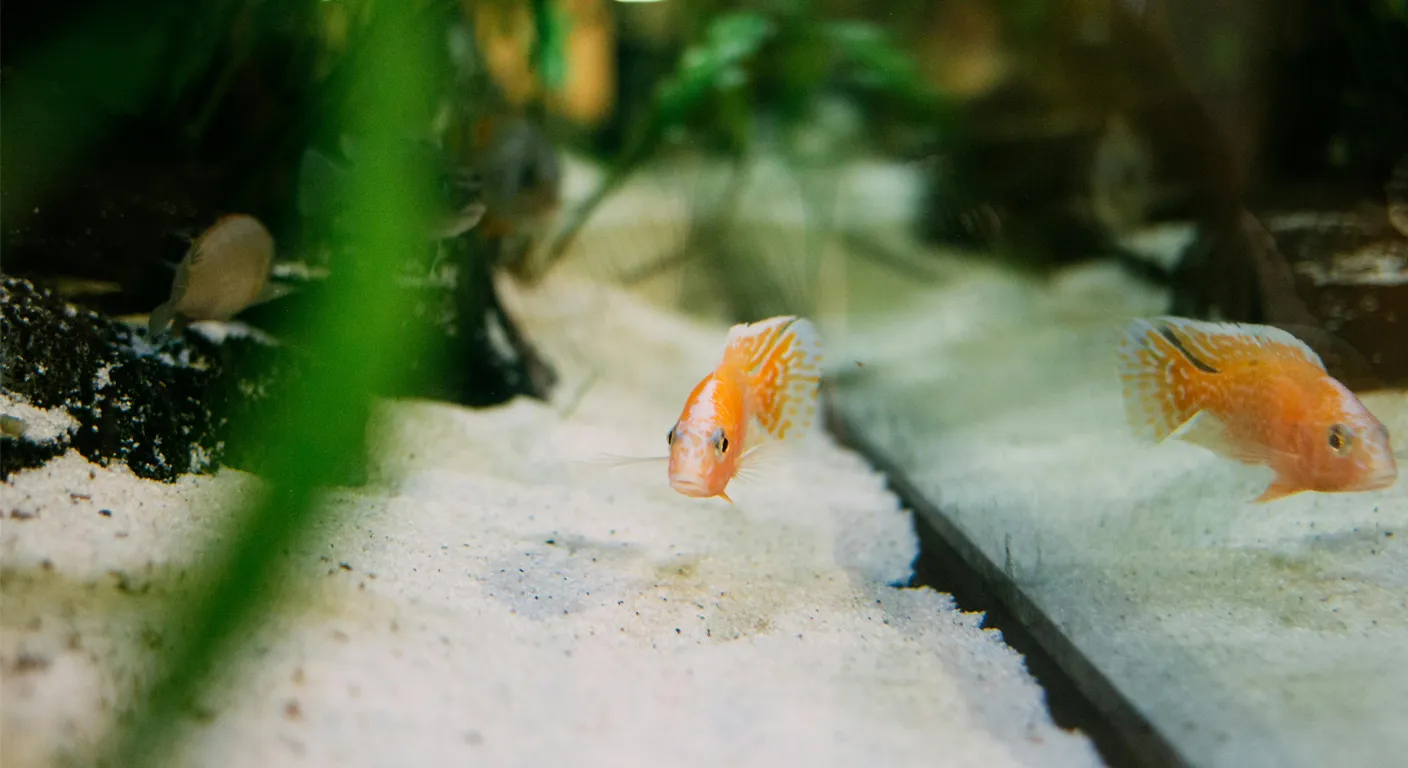
Bettas like quiet places that are of low visual movement. Sand provides them with a gentle, natural look, a look that befits their character. It is also suitable in smaller-sized tanks that are usually used with bettas.
Sand is stable when it is combined with subtle filtration and is also appealing to the eyes. Under constant maintenance, small community fish adjust well to sand.
3. Shrimp and Snail Tank
Shrimp and snails thrive on the two substrates as the quality of water is stable. Sand enables the shrimp to forage freely on the surface.
The gravel offers areas on which the biofilm grows to aid the grazing activity. Selection should be based on plant plans and not necessarily species limitation.
4. Corydoras and Loaches
Corydoras and loaches are in continuous contact with the substrate as the day goes by. Sand happens to be the best material to be used to maintain the health of barbels over a long period of time.
Natural feeding behavior is not damaged by using fine sand. Gravel can be used; however, sand is the most popular among novices in these species.
Maintenance Tips for Gravel and Sand
Weekly Routine with Gravel
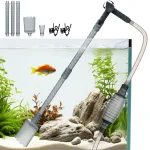
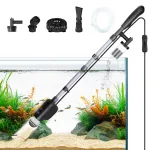
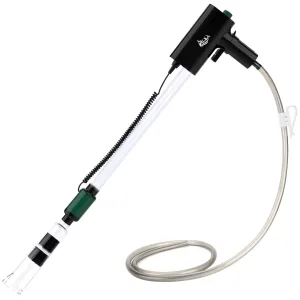
A siphon vacuum provides the basis of the cleaning process of gravel, in which it is possible to apply gravity and running water to eliminate debris. Then you simply plunge the siphon tube within the gravel with the waste and detritus getting raised. The gravel, in itself, collapses under its own weight; thus, it is rather easy to start with it as a beginner. An often-used technical error is simply skin deep,p and this leaves the organic waste trapped in greater depths.
This captured debris decomposes over time to create ammonia and nitrate, which impacts water quality. To prevent this, one-third to half of the substrate should be cleaned every week. Periodic stirring of clean zones is a way of maintaining useful colonies of nitrifying bacteria growing on gravel. The spacing of the gravel also facilitates the circulation of oxygen, which minimizes anaerobic regions. This equilibrium maintains the homeostasis of biological filtration and avoids the spontaneous changes in the parameters. To novice users, it is a very intuitive approach, and it helps take care of the tanks with little effort.
Weekly Routine with Sand
A different method of siphon technique is used in the sand cleaning because the sand particles are very light compared to the gravel. By pushing the siphon down, you can damage the surface of the sand, instead of hovering it just above the surface of the sand. This will enable fish waste, nests, and debris to rise to the siphon and pass on to it safely. In case suction is excessively great, sand may find its way into the tube and lead to loss of material.
To minimize losses of sand, regulate the supply of water by pinching the hose when cleaning up. Another technical issue, which may form dead spots with low oxygen, is sand compaction. Small portions should be stirred by means of fingers or instruments by lifting up and swirling softly every week. Burrowing snails can also play a natural role in aerating sand and also ensuring the removal of harmful gases. Good sand maintenance is always regular, butit offers a reward to serious aquarists with good bio-stability.
Conclusion
Gravel and sand are both good habitats for healthy aquariums, coupled with the appropriate fish and habits. Fine smooth gravel is the safest and most swallowable for most novices who do not own the specialized bottom dwellers. It is easy to clean, accommodates novice plants, and can adjust well to changing setups.
Sand gives composure in the long term to aquarists who are devoted to Corydoras, loaches, or the scenery of the natural riverbed. Sand, when properly cleaned, becomes pleasant and attractive to the eye. Select a substrate that matches your level of skills and will allow gradual learning.
FAQ
1. What is the best substrate for a reef tank?
Reef tanks should have a marine-specialized sand that is marine-based. The reef is also incompatible with freshwater gravel and sand.
2. I want a planted tank. Should I use gravel?
In root tab potting, gravel serves the purpose of novice plants. Later, the advanced plants might demand special substrates that are planted.
3. Can I mix sand and gravel in one aquarium?
You can mix both, but they naturally separate over time. Use barriers or zones if separation matters to you.
AQQA 5-in-1 Aquarium Gravel Cleaner Set For Removing...
Original price was: $35.59.$32.39Current price is: $32.39.





Add comment
You must be logged in to post a comment.