

I remember standing in front of a pet store tank watching this beautiful Ryukin glide around. Rounded body. Long flowing fins. It looked effortless. I bought it the same day. A few weeks later, that same fish was hovering near the surface. Barely moving. Water cloudy. Fins clamped. I had no idea what I had gotten myself into.
That’s the fancy goldfish trap. They look peaceful and low-maintenance in the store. Then they come home, and the reality hits fast. These fish produce an enormous amount of waste. They need more space than almost any beginner expects. And their body shapes create health vulnerabilities that most care guides don’t even mention.
They’re not fragile by nature. But their bioload and space requirements and anatomy turn what pet stores sell as an easy starter fish into a genuine maintenance commitment. In this guide, we’ll cover what hard to keep actually means for fancy goldfish. Including why do they look so beginner-friendly in the store, what challenges most new owners miss and how to figure out whether they’re actually the right fish for your lifestyle.
What “Hard to Keep” Really Means
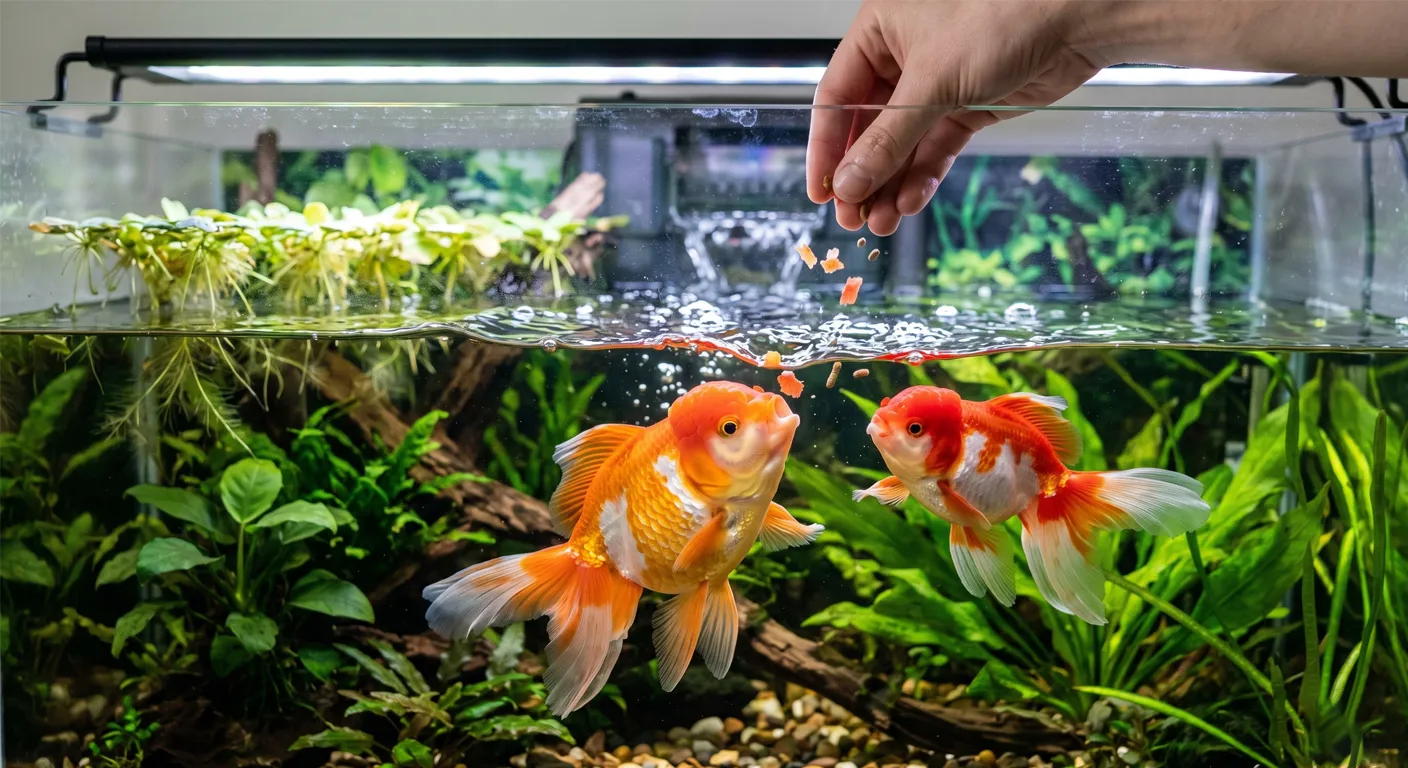
Once they’re home the biological realities start showing up fast. These are the five things that make fancy goldfish genuinely demanding.
Waste production: Fancy goldfish eat a lot and produce waste constantly. The ammonia load from even two goldfish can overwhelm a filter that would handle a community tropical tank just fine. Without heavy filtration that ammonia builds up fast and the fish feels it before you see it in the water.
Filtration demands: A filter rated for your tank size is not enough for goldfish. You need a filter rated for two to three times the actual tank volume. A 40 gallon tank needs filtration rated for 80 to 120 gallons minimum. Most beginners don’t find this out until after their first fish is already struggling.
Swim bladder anatomy: The selective breeding that created the rounded body shape also compressed the internal organs. The swim bladder sits in a much tighter space than it does in slim bodied fish. That makes buoyancy problems extremely common. A fish floating at the surface or sinking to the bottom is usually dealing with a swim bladder issue tied directly to its body shape.
Rapid growth: Fancy goldfish grow faster than most people expect. A two inch fish from the store can reach six to eight inches within a couple of years given proper conditions. A tank that seemed adequate at purchase becomes inadequate quickly and upgrading is not optional.
Temperature sensitivity: They’re cold water fish but they don’t handle swings well. Rapid temperature changes stress them out and suppress their immune system. A tank near a drafty window or in a room that gets very cold in winter creates ongoing health problems that are easy to miss until they become serious.
Why People Choose Fancy Goldfish
Walk into any pet store, and the fancy goldfish tank is usually the first thing that catches your eye. There’s a reason for that, and it has very little to do with how easy they are to keep.
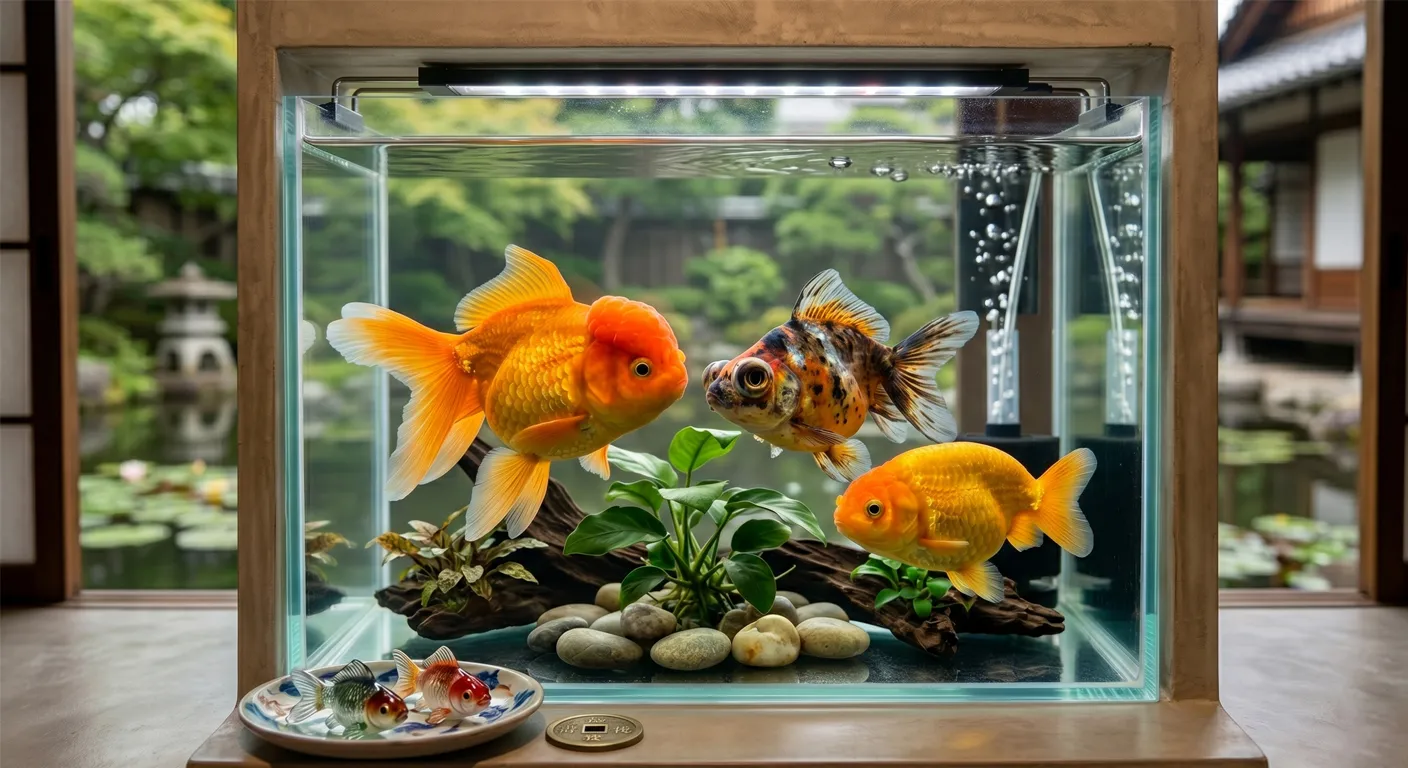
Visual magnetism: The flowing fins, round bodies, and color variety are genuinely striking. Orandas with their wen growth. Telescope eyes with those protruding pupils. Ranchu with their curved backs. They’re unlike any other common aquarium fish, and that’s hard to walk past.
Low-tech entry: Goldfish don’t need a heater in most homes. That alone makes them feel more accessible than tropical fish. No heater means one less thing to buy and one less thing to worry about. That simplicity is appealing, especially to first-time fish owners.
Affordable availability: Most fancy goldfish varieties cost a few dollars at a chain pet store. The low price point makes the purchase feel low risk. What people don’t factor in is the cost of the setup those fish actually need.
Cultural nostalgia: Goldfish are tied to childhood memories for a lot of people. Fairs, prize bowls, and first pets. That emotional association makes them feel familiar and safe even before you know anything about how to keep them properly.
Why Fancy Goldfish Seem Easy
The store environment is set up in a way that makes these fish look far more manageable than they actually are at home.
| Aspect | Why It Seems Easy | Hidden Challenge |
| Feeding | They eat eagerly and accept almost anything | Overfeeding causes serious digestive and swim bladder problems |
| Setup | No heater needed and basic equipment looks sufficient | They need high volume filtration and large tanks to handle their bioload |
| Hardiness | They survive a wide range of conditions temporarily | Chronic poor conditions cause slow decline that isn’t obvious until it’s advanced |
| Appearance | Slow graceful movement looks like contentment | Lethargy and surface hovering are often early signs of stress or illness |
The Hidden Difficulty Behind Fancy Goldfish
Once they’re home, the biological realities start showing up fast. These are the five things that make fancy goldfish genuinely demanding.
Waste production: Fancy goldfish eat a lot, and they produce waste constantly. The ammonia load in a tank with even two goldfish can overwhelm a filter that would handle a community tropical tank just fine. Without heavy filtration, ammonia builds up fast.
Filtration demands: A filter rated for your tank size is not enough for goldfish. You need a filter rated for two to three times the volume of your actual tank. A 40-gallon tank needs a filtration rated for 80 to 120 gallons minimum. Most beginners don’t find this out until after their first fish is already struggling.
Swim bladder anatomy: The selective breeding that created the rounded body shape also compressed the internal organs. The swim bladder sits in a much tighter space than it does in slim-bodied fish. That makes buoyancy problems extremely common. A fish that floats at the surface or sinks to the bottom is usually dealing with a swim bladder issue tied directly to its body shape.
Rapid growth: Fancy goldfish grow faster than people expect. A two-inch fish from the store can reach six to eight inches within a couple of years, given proper conditions. A tank that seemed adequate at purchase becomes inadequate quickly.
Temperature sensitivity: They’re cold-water fish, but they don’t handle temperature swings well. Rapid changes stress them out and suppress their immune system. A tank near a drafty window or in an unheated room that gets very cold in winter creates health problems over time.
Critical Info Most Guides Skip
| Missing Info | Why It Matters | Why Guides Skip It |
| Variety differences | A ranchu and a common goldfish have completely different care needs and health risks | Most guides treat all fancy goldfish as identical, which leads to mismatched setups |
| Long-term costs | Proper filtration, tank size, and food and vet care add up significantly over the years | It’s easier to sell fish by focusing on the low entry price |
| Maintenance frequency | Weekly 50 percent water changes are standard for healthy fancy goldfish | That level of commitment discourages purchases, so it gets minimized |
| Body shape risks | Compressed organ anatomy makes certain varieties far more prone to illness | It requires understanding selective breeding, which most beginner guides avoid |
What Makes Them Manageable
Fancy goldfish are not impossible to keep. They just require the right setup from the start and a realistic understanding of what they need week to week.
40 gallons minimum for one fish. 75 gallons or more for two or three. More water volume means slower parameter swings and more room for the fish to grow into. Starting too small is the most common reason these fish fail early.
Rated for at least double your tank volume. A canister filter or high capacity hang on back filter works well. The filter needs to run continuously. Turning it off even for a short period disrupts the beneficial bacteria colony that keeps ammonia under control.
Small amounts two to three times a day. Only what the fish can finish in about two minutes. Soak pellets before feeding to reduce the air goldfish swallow. That one habit alone significantly lowers the risk of buoyancy problems down the line.
50 percent water changes every week without skipping. Test parameters regularly especially in the first few months. Ammonia and nitrite should always read zero. Nitrate needs to stay below 20 ppm. If those numbers are climbing your filter isn’t keeping up or you’re overfeeding or both.
Are They Good for Beginners?
Honestly, it depends entirely on the beginner. Someone who does the research before buying and sets up the right tank size and filtration from the start can absolutely keep fancy goldfish successfully. The problem is that most people don’t do that research until after something has already gone wrong.
Who Should Skip Them
Space: If you don’t have room for a tank of at least 40 gallons, fancy goldfish are not the right fish right now. A small tank is the most common reason these fish fail.
Time: If weekly water changes and regular filter maintenance don’t fit into your schedule, these fish will decline. They need consistent care, not occasional attention.
Budget: If you’re working with a tight budget, the proper setup for fancy goldfish is going to stretch it. Adequate filtration, tank size, and quality food and potential vet costs add up quickly.
Maintenance: If you’re looking for a low-maintenance pet, fancy goldfish are not it. They’re a rewarding fish to keep, but the maintenance commitment is real, and it doesn’t decrease over time.
Common Mistakes to Avoid
Most of these mistakes happen before the fish even comes home.
Buying a fancy goldfish for a tank under 20 gallons. Even a single fish will outgrow it and water quality becomes impossible to maintain
Using a filter rated for the actual tank size instead of two to three times the volume. The filter will not keep up
Overfeeding because goldfish always act hungry. They will eat until they’re sick if you let them
Skipping water changes when the water looks clear. Clear water is not the same as clean water
Mixing fancy goldfish varieties without researching their specific needs. A telescope eye has different vulnerabilities than an oranda
Buying multiple goldfish for a small tank because they look better in groups. More fish means more waste and a small tank cannot handle it
Ignoring early warning signs like surface hovering or clamped fins because the fish is still eating. Those signs mean something is already wrong
Conclusion
Fancy goldfish are not the beginner fish that pet stores make them out to be. The waste they produce and the filtration they need and the space they require make them a genuinely demanding fish to keep well. Their body shapes add another layer of health risk that most care guides don’t even cover. None of that makes them impossible to keep. It just means you need to know what you’re actually getting into before you buy one.
The setup that works is straightforward. A 75 gallon or larger tank. A filter running at 800 GPH or higher. 50 percent water changes every week. And research into the specific variety you’re buying before it comes home. Get those things right from the start and fancy goldfish are rewarding and long lived.
There’s a lot of good information in goldfish keeping communities from people who have spent years working through the same problems. Use those resources. Learn the variety differences. Set up the right tank before you buy the fish. That order of operations is what separates a fish that thrives from one that slowly declines.
AQQA Automatic Fish Feeder, 12H/24H/48H Timer, 110ml Capacity,...
Original price was: $13.19.$12.99Current price is: $12.99.
AQQA 200ML Auto Fish Feeder, Quiet Smart Timer...
Original price was: $22.39.$19.87Current price is: $19.87.


Add comment
You must be logged in to post a comment.