

Most fish keepers don’t just want a box of water with fish in it. They want something that actually feels alive. Plants do a lot for that. They soften the harsh lines of the tank, give fish spots to hide so they stress less, soak up nitrates, fight off algae, and just make the whole thing look natural instead of artificial. A well-planted tank also quietly helps your water chemistry stay stable over time.
But what most people really want in a plant is pretty straightforward. Easy to keep, hard to kill, and not needy. You’ve probably seen the usual names thrown around already. Java Fern, Anubias, Amazon Sword, Hornwort. They show up on every beginner list out there. And honestly, the truth is, not every beginner plant works in every tank.
In this guide, you’ll get 8 plants that are genuinely easy to keep, each one matched to a real beginner problem. You’ll also get a quick way to understand what easy actually means, a warning about plant melt, which is the number one reason beginners quit, and read on to discover more.
The Honest Criteria for “Easy”
We hear the “easy” word a lot in this hobby from others, but is it? We’ll talk about all this in detail so you can hold any plant recommendation to the same standard.
| Criteria | What It Means in Practice |
| Low to moderate light | Survives under standard LED hood lighting (no high-end planted lights required) |
| No CO2 injection | Grows without pressurized CO2 systems |
| Wide water parameter tolerance | Handles pH 6.5–8.0 and varied hardness |
| Forgiveness of neglect | Survives missed trims and imperfect fertilizing |
| Under $15 and widely available | Affordable and easy to find in most stores |
Note: The stable plants will remain the ones that grow without constantly demanding precision. Plants that require intense lighting, CO2 injection and strict nutrient dosing can’t be called beginner plants.
8 Easy Aquarium Plants, Matched to Real Beginner Problems
Instead of just throwing a numbered list at you, each plant here is matched to an actual problem you might be dealing with. Find your situation first, then pick the plant that fits it.
Problem: “My water is always murky, and my nitrates are high.”
You need plants that eat nutrients fast. Hornwort and Duckweed pull waste out of the water much quicker than slow decorative plants ever will.
Hornwort (Ceratophyllum demersum)
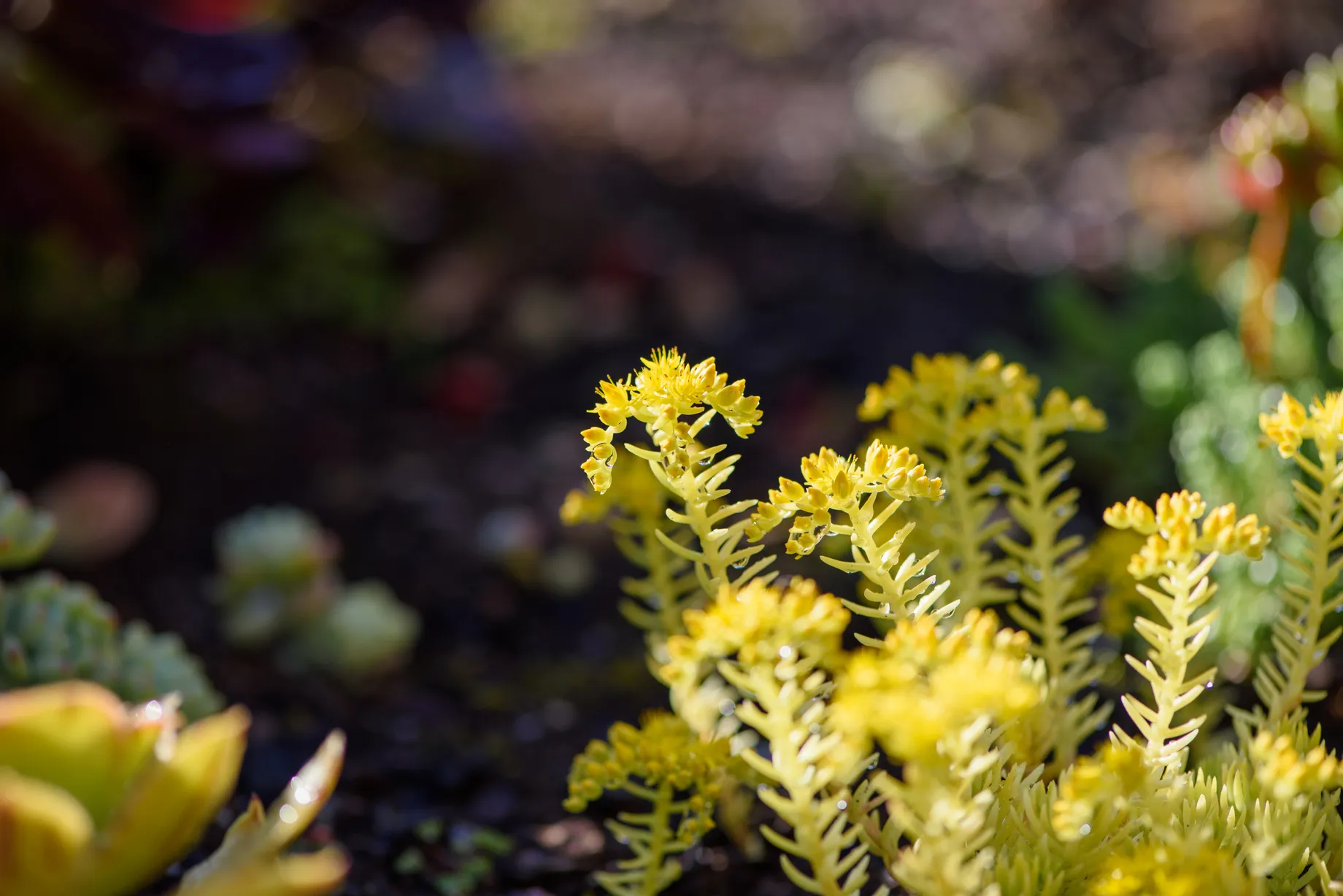
If you’re only buying one plant to clean up your water, make it this one.
Why it works: Hornwort grows fast and basically drinks up the waste floating around in your water. It doesn’t really need roots for that either; it just soaks everything up directly from the water itself. It also gives off oxygen during the day, which keeps things balanced in the tank.
Care snapshot: Low to moderate light is fine, no special gas setup needed, and it can just float around or sit loosely at the bottom. You don’t even need any gravel or soil for it. It’s also pretty chill about water temperature and pH, so it adjusts well to most tanks.
Honest watch-out: In the first week or two, it might drop some of its needle-like leaves while it settles in. Looks a little rough, but nothing to worry about. Also, it grows pretty fast, so you’ll need to cut it back every now and then.
Best for: New tanks, tanks with too many fish, goldfish tanks, and anyone dealing with green water or waste buildup.
Duckweed (Lemna minor)
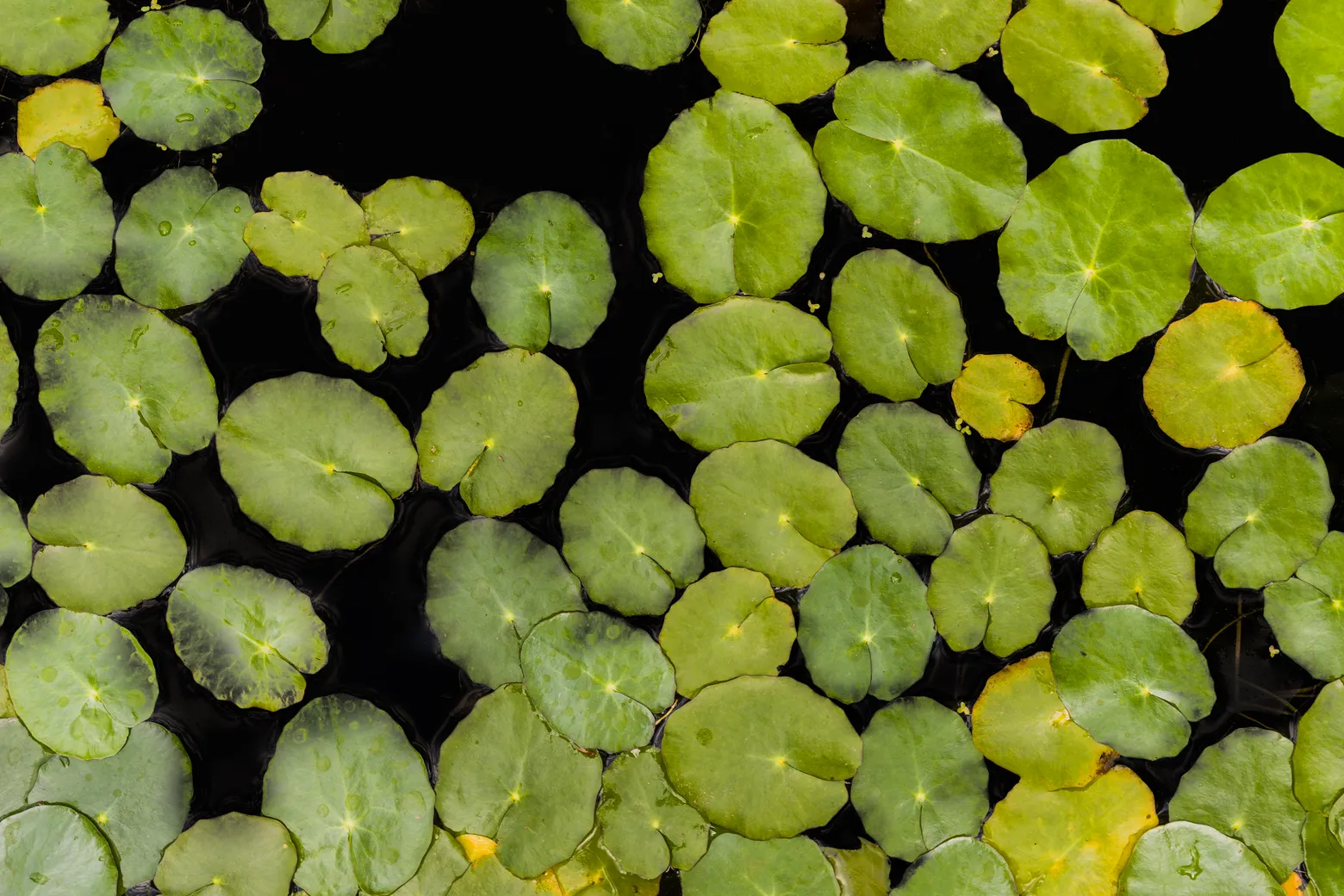
Honestly, the laziest water cleaner you’ll ever put in your tank.
Why it works: Duckweed just floats on top and keeps multiplying on its own. While it’s doing that, it’s soaking up the waste in your water and blocking out extra light that algae loves to feed on. It’s basically a living filter and a shade cover at the same time.
Care snapshot: You barely have to do anything with it. Just thin it out when it gets too thick. A basic LED light is more than enough for it, and you don’t plant it at all; it just sits on the surface and does its thing.
Honest watch-out: It spreads really fast. Once it’s in your tank, it’s honestly hard to fully get rid of it. If you leave it alone too long, it can cover the whole surface and block light from reaching everything else below.
Best for: Tanks with waste buildup, betta tanks where dimmer light is better, and beginners who want something that helps the tank without any extra effort.
Problem: “My tank looks bare, and my fish seem stressed.”
You need plants that give your fish places to hide and hang out. Java Fern and Anubias are perfect for that, and neither of them asks much from you.
Java Fern (Microsorum pteropus)
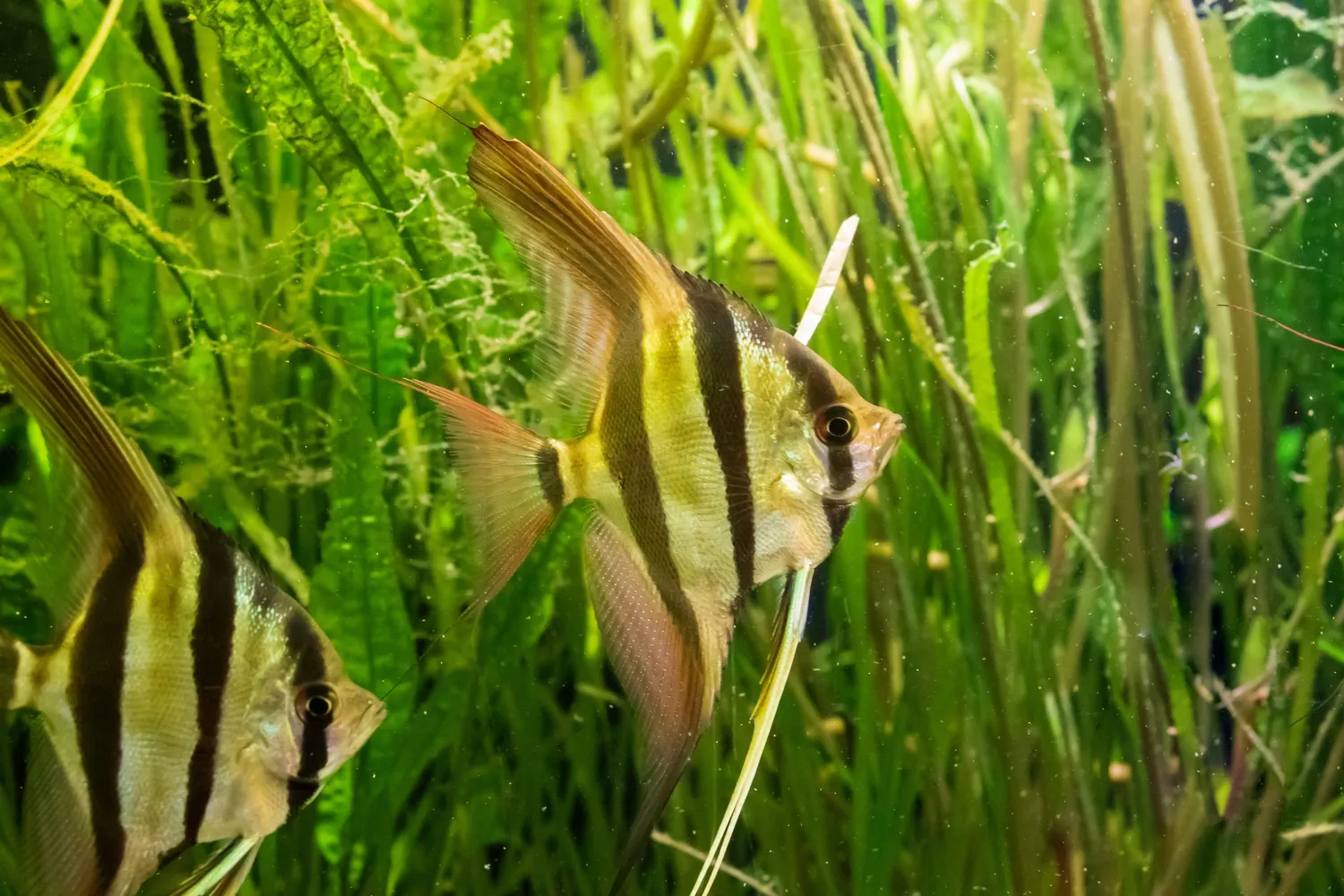
The most recommended beginner plant out there, and honestly, it deserves that reputation. It’s tough, it looks good, and it just works.
Why it works: Java Fern adds nice broad leaves that fish actually use to hide behind and rest near. It doesn’t need to be buried in the gravel either; it attaches to rocks or wood instead, so it fits pretty much any tank setup you have.
Care snapshot: It’s fine with low light, needs no special setup, and grows slowly, so it won’t take over. Just tie or glue the base of it onto a piece of driftwood or a rock, and you’re good to go.
Honest watch-out: Don’t bury the base part in the gravel, it will rot if you do. Also, because it grows slowly, you’ll need a little patience before it fills out nicely.
Best for: Community tanks, betta tanks, and simple low-maintenance setups.
Anubias (Anubias barteri / nana)
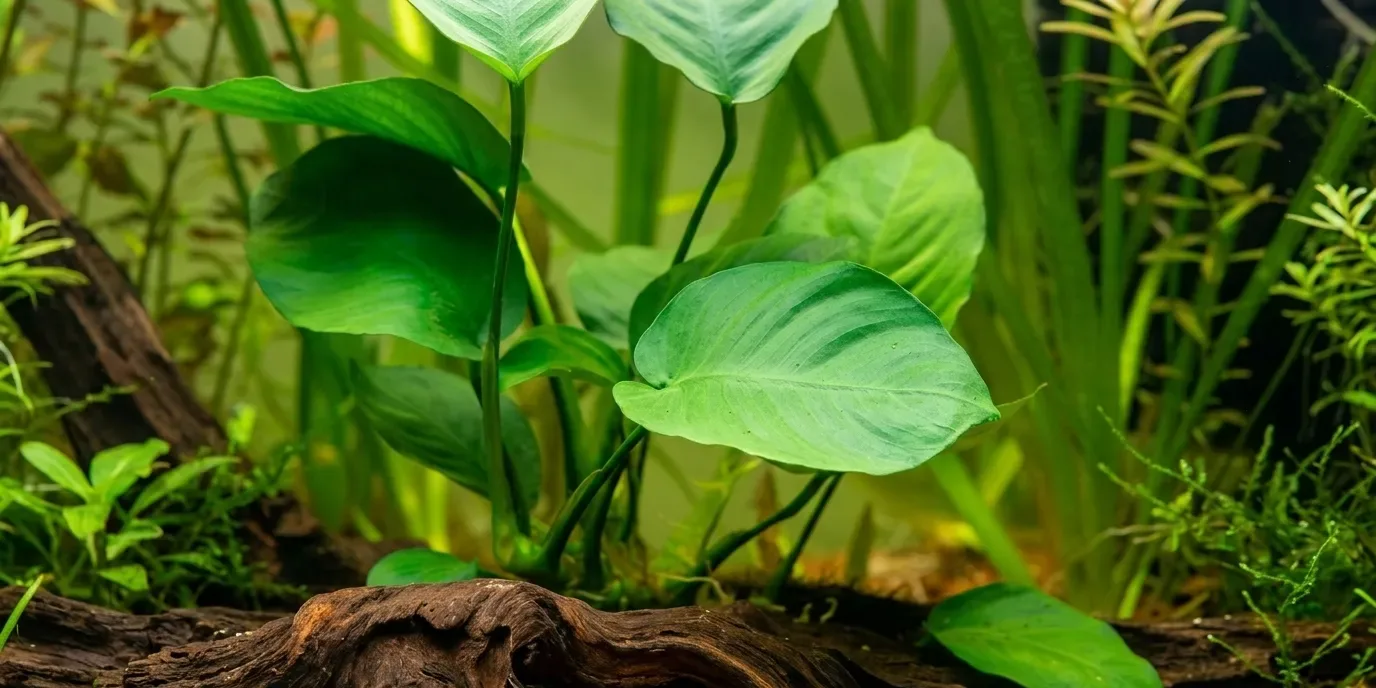
If Java Fern is easy, Anubias is basically impossible to kill.
Why it works: The leaves are thick and tough, so fish can’t really damage them, and low light doesn’t bother them at all. It survives in conditions where most other plants would just give up.
Care snapshot: Same deal as Java Fern, attach it to something instead of burying the base. It grows slowly, but it keeps going under almost any basic aquarium light you have.
Honest watch-out: Because it grows so slowly, algae can start building up on the leaves if your light is too strong or your water has too much waste in it.
Best for: Beginner tanks, tanks with slightly rough fish, and anyone who just wants something durable that won’t need constant attention.
Problem: “I want something in the background that fills the tank quickly.”
Go with Amazon Sword if you want something big and structured, or Water Sprite if you just want it to fill up fast.
Amazon Sword (Echinodorus grisebachii)
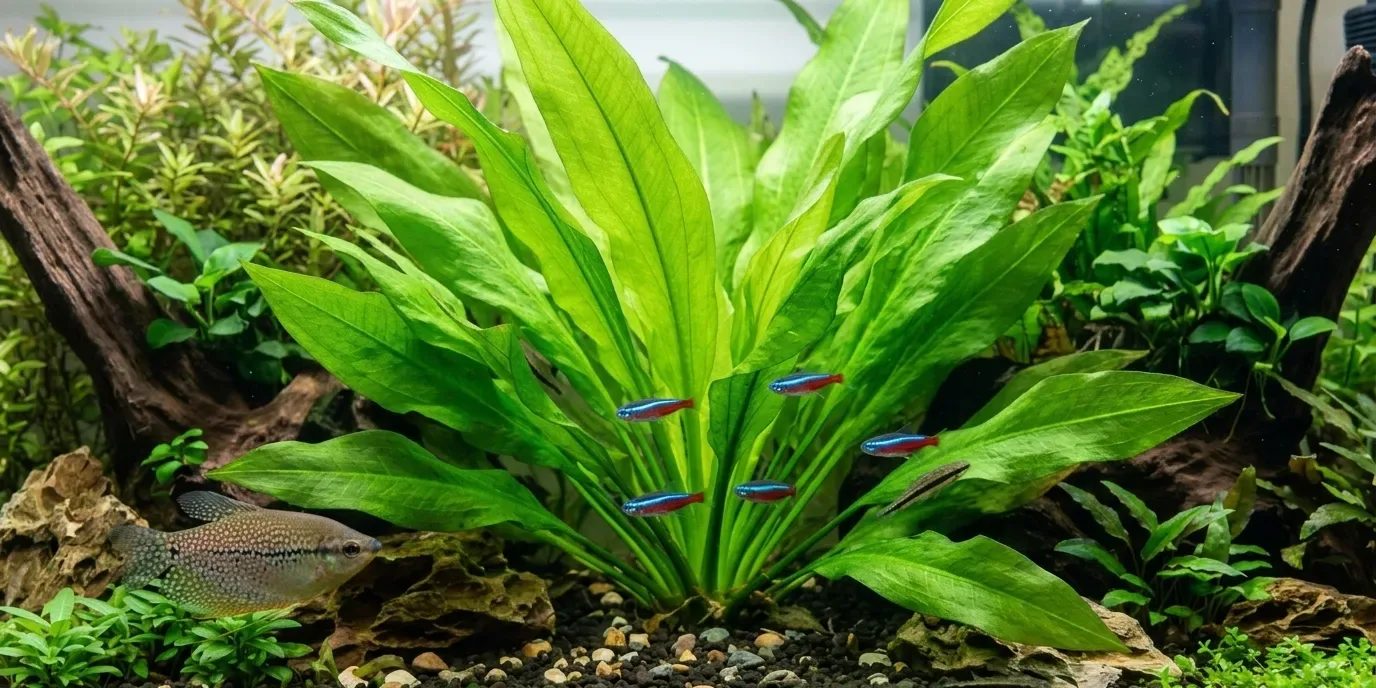
That big, lush background plant you always see in aquarium photos. It looks hard to keep, but it’s really not.
Why it works: The leaves are large, so they create a nice, full look pretty quickly and give fish plenty of spots to hang around in. It feeds through its roots, which also helps keep the gravel area of your tank more settled and stable.
Care snapshot: It does better with a decent amount of light, and it helps to push some root fertilizer tabs into the gravel near it. No special gas setup needed. It can get pretty tall, though, anywhere from 12 to 20 inches, so give it room.
Honest watch-out: It tends to look rough when you first put it in, and leaves melting and dying off are pretty common in the beginning. It also needs space, so if your tank is smaller than 20 gallons, it might not be the best fit.
Best for: Medium to large tanks that need a bold, full-looking background plant.
Water Sprite (Ceratopteris thalictroides)
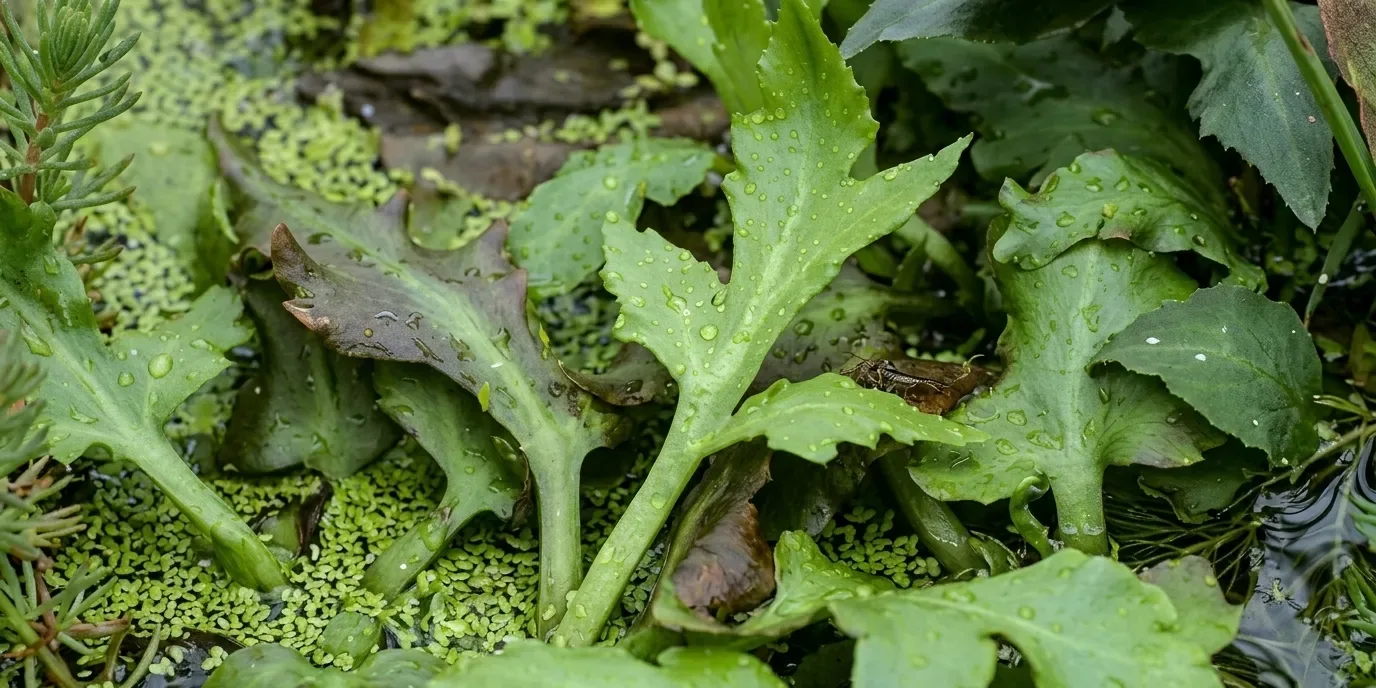
Probably the most underrated plant on this whole list. It works as a background plant and a floating plant at the same time.
Why it works: It grows fast and fills up empty space in your tank pretty quickly while also soaking up extra waste in the water. You can place it however you want, which makes it really flexible for beginners.
Care snapshot: Low to moderate light is fine, and no special setup is needed. You can let it float on top or plant it in the gravel; both work well.
Honest watch-out: It grows so fast that you’ll need to trim it regularly, or it starts blocking light from everything else in the tank.
Best for: New tanks that need to green up quickly and get the water more balanced at the same time.
Problem: “I want low-maintenance foreground plants that don’t require carpeting.”
Quick answer: Java Moss and Marimo Moss Balls are perfect for this. Both sit in the front of your tank and look great without asking much from you.
Java Moss (Taxiphyllum barbieri)

Java Moss is one of those plants that somehow looks good even when it’s just doing its own thing.
Why it works: You just attach it to a rock or a piece of wood, and it grows from there on its own. No strict trimming schedule, no special placement. Small fish fry and shrimp absolutely love hiding in it, too, so it adds some real function to your tank beyond just looks.
Care snapshot: Low light is totally fine for it, no gravel needed, no special setup at all. It’s one of the least demanding plants you can own.
Honest watch-out: If you leave it completely alone for too long, it starts collecting debris inside and gets a bit gunky. Just thin it out every once in a while, and it stays clean.
Best for: Shrimp tanks, small tanks, and tanks where you want to breed fish.
Marimo Moss Ball (Aegagropila linnaei)
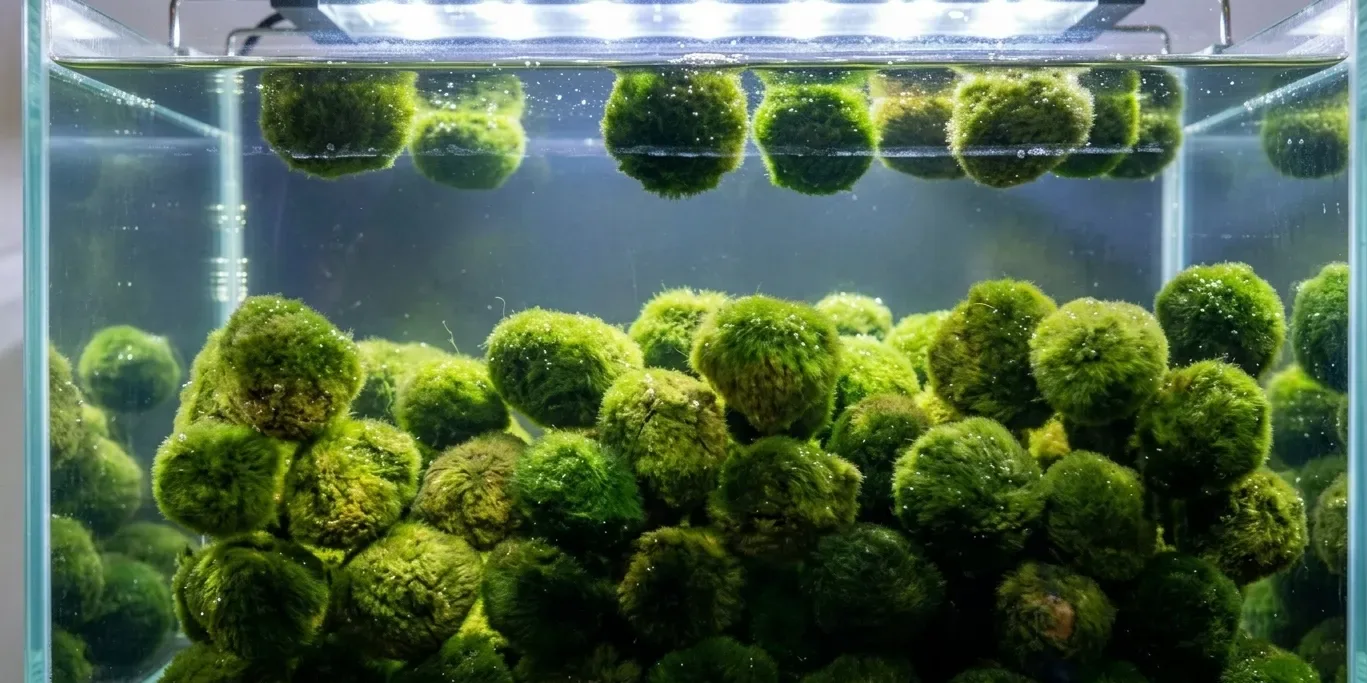
Funny thing about this one, it’s not actually a plant. It’s a ball of algae. And that’s exactly why it’s so hard to mess up.
Why it works: It slowly soaks up waste from your water, needs almost no attention, and adds a nice soft round texture to the front of your tank. Simple as that.
Care snapshot: It prefers lower light. Just give it a gentle roll during your water changes to help it keep its round shape.
Honest watch-out: It grows really slowly, so don’t expect much change week to week. Also, make sure you’re buying a real one because there are fake synthetic versions being sold out there that do nothing.
Best for: Small beginner tanks and anyone who wants the lowest maintenance setup possible.
Why Your New Plants Look Like They’re Dying
This is honestly the most important part of this whole guide. And it’s also the part most beginner articles skip completely, which is why so many people give up on planted tanks after just the first week.
When your new plants start turning brown or dropping leaves, it feels like you did something wrong. But most of the time, what you’re seeing isn’t the plant dying. It’s just adjusting. Knowing the difference saves you money, frustration, and a lot of unnecessary panic.
What Is “Melt”?
Melt is basically a transition phase. The plant is shedding its old leaves because it just moved into a completely different environment. Most plants you buy from shops are actually grown above water because it’s faster and cheaper to grow them that way. When you put them underwater, those old leaves just can’t survive down there. So the plant drops them and starts growing new ones that are built for life underwater.
During this phase, leaves can turn yellow, brown, or even go a bit see-through. Some fall off completely. It can look really bad, especially in the first week or two. But if the base of the plant still feels firm and you start seeing tiny new leaves coming in, the plant is doing fine. It’s not dying, it’s just adjusting.
Which Plants Melt Most Often
Some plants are more dramatic about this transition than others. These are the usual ones:
Amazon Sword often drops a bunch of older leaves before it starts growing new ones suited for underwater.
Cryptocoryne is probably the most well-known for this. It can lose almost all its leaves before new growth starts coming back in.
Water Sprite may shed its delicate leaves first before pushing out stronger ones that actually do well underwater.
Which Plants Barely Melt At All
If you want plants that look good from day one, these are your safest bets.
Anubias has thick, tough leaves that handle the move really well with almost no drama.
Java Fern rarely has any issues as long as you don’t bury the base of it in the gravel.
Java Moss is probably the most chill plant on this list. It almost never melts at all.
What To Do When Your Plant Is Melting
First thing, don’t pull it out. Just leave it alone and give it some time. Most plants sort themselves out within two to three weeks.
Cut off any leaves that have gone fully mushy or rotten. Leaving those in the water can make things worse. Don’t keep switching up your light schedule or adding different fertilizers every few days, either. Stability actually helps more than constantly trying to fix things. Make sure the plant is properly placed and keep doing your regular water changes, especially if you have a smaller tank.
The biggest thing here is just patience. Changing too much too soon usually does more damage than the melt itself ever would.
When It’s Actually Dying
There is a difference, though. Sometimes a plant really is on its way out. Watch out for these signs.
If the roots look black and mushy or smell bad, that’s not a good sign. Suppose the base of the plant feels soft instead of firm; that’s another warning. No new growth showing up after three to four weeks is also a concern. And if the whole plant is just falling apart rather than just dropping a few leaves, then recovery is probably not going to happen.
A Plug and Play Starter Setup
Instead of buying plants randomly and hoping they work together, here’s one simple combination that covers all areas of your tank. No special gas setup needed, and it works in tanks as small as 10 gallons.
| Position | Plant | Why It’s Here |
| Floating | Duckweed or Water Sprite (floating) | Absorbs excess nutrients quickly and stabilizes new tanks while softening overhead light. |
| Background | Amazon Sword | Adds height and structure, creating depth and natural shelter. |
| Midground | Java Fern | Provides a hardy visual structure without demanding lighting or CO₂. |
| Foreground / Accent | Anubias nana or Java Moss | Low-maintenance greenery that adds texture without carpeting requirements. |
Conclusion
Starting a planted tank doesn’t have to feel scary or complicated. This guide gave you one simple way to think about it. Pick plants based on what’s actually going wrong in your tank, not just because they looked nice in someone’s photo. You also learned about plant melt, which is something most beginner guides never even mention. Just knowing about that one thing can stop you from throwing out a perfectly healthy plant just because it looked rough in the first week.
The biggest mistake most beginners make isn’t picking the wrong plant. It’s expecting things to look amazing right away and giving up when they don’t. A lot of these eight plants will honestly look worse before they look better. Leaves will yellow, go soft, and maybe fall off. That doesn’t mean you did anything wrong. Just give it three weeks. Try not to keep moving things around, trimming everything, or changing your routine every few days.
If you’re not sure where to start, just go with the simple starter combination from earlier in the guide. It has fast-growing plants and tough ones working together, and it runs fine in small tanks without any special setup. Or if you already know what your biggest problem is, whether that’s dirty water, stressed fish, or an empty-looking tank, just pick one plant from this guide that fits that problem.
FAQs
1. What aquatic plants are suitable for a 10-gallon fish tank?
Java Moss, Anubias, Java Fern, Marimo Moss Balls and Duckweed all do really well in a 10-gallon. They stay small, don’t need much light, and won’t take over the space.
2. Is fish aquarium water good for plants?
Yes actually. Fish waste breaks down into nutrients that plants love. A lot of people use old tank water when watering their house plants, too. It works surprisingly well.
3. How to put live plants in a fish tank?
For rooted plants, just push them gently into the gravel, making sure the roots are covered, but the base isn’t buried too deep. For plants like Java Fern and Anubias, tie or glue them onto a rock or wood instead. Floating plants like Duckweed, you just drop in, and they handle the rest themselves.
4. How can I know if my moss balls are real?
Squeeze it gently. A real one feels firm and spongy, and water comes out of it. Fake ones are usually hollow or feel like plastic fluff inside. Real Marimo also has that dark green color all the way through, not just on the outside.
3.7 Gal Aquarium Kit: Filter, 10-Color Light, Self-Cleaning,...
Original price was: $81.99.$77.39Current price is: $77.39.












Add comment
You must be logged in to post a comment.