

You have finally installed your new aquarium with all accessories. Your decorations are up, the filter is humming, and the water is clear. The fun part-time has arrived: selecting the initial fish to put in your tank.
This decision is more critical than you may think at first. Choosing simple-to-maintain beginner fish can be the difference between a successful aquarium and ongoing disappointment.
Some of the smartest decisions that novice aquarium keepers will make are to start with easy species to keep. These fish are capable of tolerating the inexperienced misjudgment; they adapt to various conditions of a tank and are usually not very costly.
In this blog, we will discuss the five simplest fish to care for and the primary care tips that one should know. You will also know what to keep in mind before putting fish in and what to do for long-term maintenance of fish. Continue to learn about in these beginner tips.
What Are Key Considerations for Beginners
There are crucial facts to be aware of before you head out to get fish. To start with, you need to choose what type of fish to have, whether freshwater or saltwater fish. Beginners are advised to start with fish that are more tolerant and less costly freshwater fish. Saltwater fish require more specialized equipment and expertise, which can overwhelm first-time owners.
Monitoring of other crucial water conditions, such as temperature, pH, and tank size, is also something that you should do. Healthy water conditions will help you keep your fish stress-free and disinfect them of common diseases. One of the most important phases that is disregarded by most people is the cycling of your tank before the introduction of fish.
Cycling is a process that has been developed to make sure that beneficial bacteria develop within the filter to decompose harmful toxins. Another determinant to consider is compatibility. There are peaceful fish, and there are bully fish that can torment other tank mates.
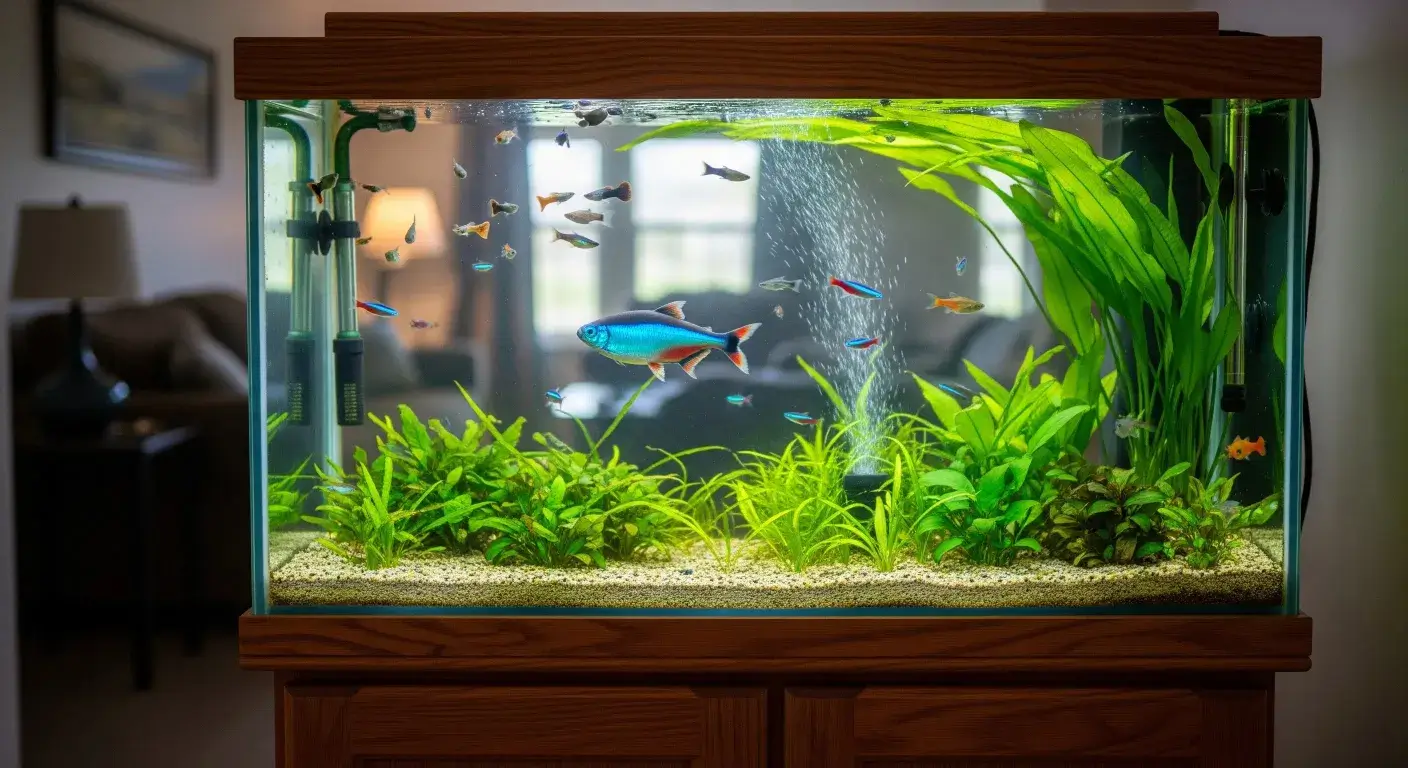
Factors That Are Easily Overlooked
There are many underlying considerations when deciding on fish that many new aquarists overlook.
Adaptability and hardiness must be in the first position. It is much easier to keep fish that put up with general errors, such as a little bit of pH change or overfeeding.
Another advantage is low feeding and maintenance requirements in favor of newbies. Fish will require simple flakes or pellets, and some fish require frozen or live food. It is easy to start with simplicity.
Also, a large role is tolerance to water parameter fluctuations. All the fish do not survive changes of activities in temperature or the nitrate levels should it change abruptly. New tanks, which are not yet very stable, can better accommodate hardy species.
Accessibility and costs are also important. The small fish must be accessible in the area pet stores at affordable prices. Rare or exotic fish can seem quite tempting, but they are not beginner-friendly most of the time.
Moreover, you need to make sure that it is compatible with other everyday novice species. Fish that are compatible with each other help relieve stress, attack, and wounds within the tank.
Best 5 Easiest Fish for Beginners
With the knowledge of what to keep in mind, it is time to identify the best beginner fish. The five species are very tough, easy to feed, and widely available.
1. Neon Tetras
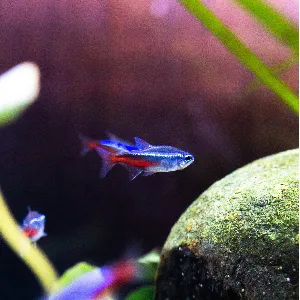
One of the most used fish by beginners is the neon tetra. They are tiny and, in most cases, grow to measure only 1.5 inches with a bright blue stripe and glowing red tail. Their bold looks only contribute fresh color to any tank without the need for space at all.
Neon tetras require a tank minimum capacity of 10 gallons with temperatures of around 70-81°F and slightly acidic PH. These fish live well together, and therefore, it is necessary to have a group of them (at least 6). They are Pacific community fish and blend with other small fish.
They can be easily fed, since they will accept flakes, micro-pellets, and frozen food. Their color and general health are retained by eating a diverse diet.
Pros:
They are small, which enables stocking multiple in smaller tanks (over 1 gallon per fish).
Calm nature in poly aquariums of communities suffices.
Low bioload relative to larger species, i.e., fewer problems with water quality
Cons:
Sensitive to abrupt changes in water pH, hardness.
The behavior of schooling needs a minimum of six, thus not good as a solitary keeper.
It is prone to Neon Tetra Disease, having no medication at all.
2. Guppies
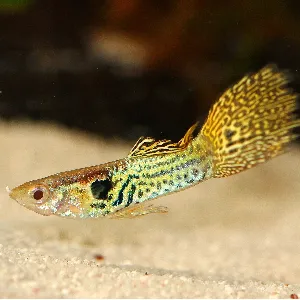
Another good beginner would be: Guppies. They also have numerous colors and shapes of tails, which makes them look good in any aquarium. Guppies have an active personality to them, and they add life and motion to the tank.
These fish like tanks of at least 10 gallons and a temperature of 72-82°F. They also suit a wide variety of water conditions, which makes them tolerant to new owners.
Guppies are omnivores and feed on flakes and frozen food as well as vegetable materials. A single or twice a day is often sufficient when feeding them. But the beginner must be advised about their rapid breeding. When males and females are held together, the tank can soon become overcrowded with fry.
Pros:
Extremely accommodating to different pH (6.8-7.8) and temperatures.
Available in more strains with ease, and provides genetic diversity as well as beauty.
Low food requirements and do well on simple diets of flakes.
Cons:
Population control is required to counteract the high breeding rate that can overwhelm tanks.
The presence of long fins also causes them to become susceptible to fin-nipping species.
Susceptible to fungus and even bacterial infections when water is not serially cycled.
3. Plecos (Common Plecostomus)
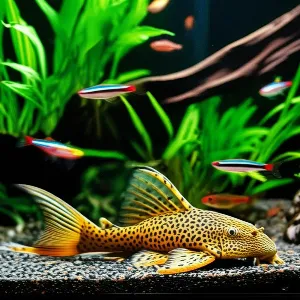
Plecos are very unusual algae-eating, tank-cleaning fish. They play the role of curbing algae as well as being aesthetic. They have the characteristic shapes of their armored bodies and sucker mouths.
It is important to mention that plecos must be placed in bigger tanks. They should hold at least 30 gallons. Certain species are capable of getting more than a foot long. It is therefore important to plan space. They tend to be non-violent except for being territorial against other bottom feeders.
Plecos consume algae, but other food is necessary. They should be given algae wafers, sinking pellets, and vegetables such as zucchini or cucumber.
Pros:
Superior natural algae controllers and alleviating tank-cleaning requirements.
Good immunity and the ability to survive a wide range of careless mistakes of beginner players.
It has a life span of 10+ years under care that can keep you company longer.
Cons:
They grow to large adult sizes (up to 12-18 inches) and thus need oversized aquariums.
The intensive generation of waste requires the action of strong filtration mechanisms.
Can harm living plants either through pulling out or scraping surfaces to host algae.
4. Danios (Zebra Danios or Others)
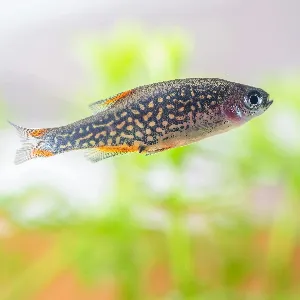
Danios are very robust, active fish that are ideally suited to new aquarists. They come in sizes up to two inches, and have zebra-like stripes or bright coloration, depending on the variety.
Temperature tolerance is one of their best features. Danios are resilient to temperatures of 64-77 degrees Fahrenheit water thus they can live anywhere. They are schooling fish, so they need to have at least six so they can be happy.
Danios are very active fish that cause a lot of movement in the aquarium. Breeding is also easily done, which may be entertaining to newcomers interested in fish breeding. They are easy to feed since they will take flakes, pellets, and small live food.
Pros:
Very robust and does well in uncycled/tank-flipping tanks.
It is flexible in heated and unheated aquariums.
Moving swimmers that contribute to the stirring of detritus to make filtrations efficient.
Cons:
Demand schooling groups and, therefore, small tanks may prove insufficient.
Occasionally, it even bites the nip fins of a slower fish such as a guppy or a betta.
Their activity can disturb shy or slower tank mates.
5. Goldfish
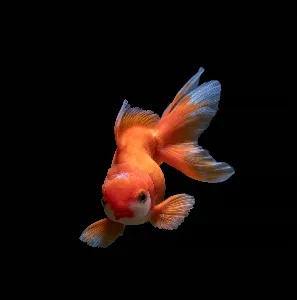
One of the most familiar starter fish is the goldfish. They are famous since they have beautiful colors, long lives, and interactive behavior with their owners. It is a misconception of many people that goldfish can be kept alive in small bowls. Although this is not good practice.
Goldfish can be far bigger than most people imagine, and the average size is 8 to 12 inches. They require tanks of at least 20 gallons per fish with a powerful filtration system to digest their large production of waste.
Goldfish are not difficult to feed because they consume pellets, flakes, and vegetables, and infrequently proteins. Nevertheless, they must not be overfed as they are susceptible to gastrointestinal issues.
Pros :
Very strong and resistant to variable temperatures (60-75°F)
Able to live decades with care and a proper house.
Superb, easy to learn fish, which shows how to go about water changes and filtration requirements.
Cons :
The bigger size of adults demands a lot of space.
Water without powerful filters is rapidly destroyed by the large output of waste.
Tends to be prone to swim bladder diseases when fed excessive amounts of a floatable diet.
Additional Tips for Successful Fishkeeping
Keeping fish is not only related to species selection. A basic habit should also be followed by beginners to guarantee their success in the long run.
1.Regular cleaning schedules:
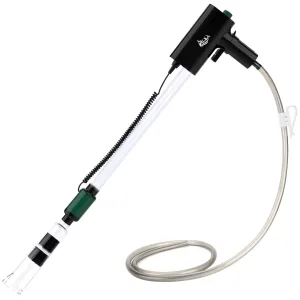
Ensure the tank is cleaned every week by cleaning up debris and some percentage of water change of up to 25-40%. Clean the bottom with a gravel vacuum to get rid of excess waste and avoid toxic waste ammonia spikes..
2.Monitor water quality
Do periodic tests of temperature, ammonia, nitrite, and nitrate. Be sure that the parameters of the sensitive species are stable by investing in liquid test kits that provide accurate readings.
3.Avoid overfeeding and overcrowding
Excessive food and an abundance of fish impair the quality of water. Wastages of food materials rot, elevating the nitrates and favoring the growth of dangerous bacteria or algal bloom.
4.Watch for stress or illness.
You may see clamped fins, abnormal swimming, or a poor appetite to eat. It can be treated early and thus avoid outbreaks, which may destroy several fish.
Conclusion
It is a gratifying experience to begin an aquarium, but it is a very thought-out procedure. As a novice, the simplest path to success is selecting robust, flexible fish. Good feeder fish such as neon tetras, guppies, plecos, danios, and goldfish can be used. All of them have their unique appeal, but they are all learning experiences in fishkeeping.
Never forget to cycle your tank prior to the introduction of fish, ensure a good water quality, and do not overfeed. Daily little steps are significant to form a healthy aquatic space.
If you’re considering keeping fish, start with these beginner species. They’ll make your journey smoother and more enjoyable. Share your experiences with other fishkeepers and continue learning as your aquarium grows.
FAQs
1. How many fish can I put in my new tank?
This is based on tank size. The old rule is the 1 inch per gallon, but do check the species requirement.
2. How often and how much should I feed my fish?
Give a pinch once or twice a day. You must only provide what they can eat within 2-3 minutes.
3. How do I know my fish is happy?
Happy fish are active swimmers, social with their tank mates, and feed. Recording and monitoring of behavior contribute to the identification of normal patterns.
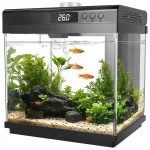
3.7 Gal Aquarium Kit: Filter, 10-Color Light, Self-Cleaning,...
Original price was: $81.99.$77.39Current price is: $77.39.


Add comment
You must be logged in to post a comment.