

Planted tanks excite everyone, and people become desperate to just fill their tank with plants. So they start picking their favorite plants, put them right in the tank, and then wait for the magic to happen. But does that happen? Not quite always. Within a couple of weeks, you might find leaves turn yellow, stems just dissolving, and one by one, you’re plants are basically giving up on life.
These plants are doing more than just providing visual appeal. They’re providing your fish oxygen, cleaning up the water, giving your fish places to hide, and making everything look incredible. But there’s definitely a learning curve here, and most people make some mistakes that make it complicated. The mistakes we’re talking about are:
Not Cycling Your Tank Properly
Using the Wrong Substrate
Getting the Lighting All Wrong
Completely Ignoring CO₂ and Nutrients
In this article, we’ll cover these mistakes in-depth, discuss how to fix them when things go sideways, and provide some additional tips to keep everything thriving. Read on to discover everything in details.
How to Set Up an Aquarium Plant?
Before you even worry about all the fancy care stuff, you’ve got to get these plants settled in right from day one. Below we’ve listed some things that you need to care about while doing this:
Plant According to Type: Different plants need different approaches. If you’ve got rooted plants, you want to nestle them into your substrate nice and gently, but make sure not to bury the crown part.
Fill Tank Slowly: When you’re filling up the tank, go slow and we mean really slow. Pour the water over a plate or piece of plastic sitting on your substrate instead of just dumping it in there. Otherwise, you’ll have plants floating around everywhere and your substrate looking like a tornado hit it.
Avoid Frequent Replanting: Make sure to stop messing with them once they are in. Some people move plants around constantly, which just causes unnecessary stress to plants. Give them a few weeks to get their roots established and think about their new home.

Why Do Aquarium Plants Matter?
Plants are found in all the aquariums, big or small, it’s because they’re important, here’s how:
They clean your water: While they’re doing their photosynthesis thing, plants are basically eating up ammonia, nitrites, and nitrates – all the stuff that kills fish. Plus they’re pumping out oxygen all day.
Your fish want them: Ever notice how fish act more relaxed in planted tanks? That’s because plants give them places to hide and make the whole setup feel more like home.
They beat algae at its own game: Plants and algae want the same nutrients, so when your plants are thriving, algae doesn’t get much of a chance to take over.
Your tank looks way better: There’s just something about a planted tank that beats plastic decorations every time. Everything feels more natural and balanced.
4 Common Aquarium Plants Care Mistakes
Even with the most care, some new fishkeepers still end up making mistakes without realizing it. Not preventing them, you’ll end up with those yellowing leaves, melting stems, or worse: dead plants. You don’t want any of this, so let’s break down four common mistakes and learn how to fix them.
1.Skipping the Tank Cycling Process
Some people are so excited to get plants in there that they completely skip letting the tank cycle properly. Big mistake. Cycling is basically letting the good bacteria build up so they can handle all the waste that’s going to happen in your tank.
Why you can’t skip this: If you don’t cycle, ammonia and nitrites build up fast and will kill everything. Your plants, your fish – everything suffers.
How do you know if your tank isn’t ready? Cloudy water, funky smells, your water tests are all over the place, or your plant leaves start melting right after you put them in.
Here’s how to actually do it right:
Wait it out: Let your tank cycle completely before adding anything living. Yeah, it takes 4-6 weeks, but trust me on this one.
Test your water: Get a decent testing kit and check your ammonia, nitrite, and nitrate levels regularly so you actually know what’s happening.
Speed things up if you want: You can buy beneficial bacteria stuff to help kick-start the process, but you still need to wait for everything to stabilize.
2.Using the Wrong Substrate
Your substrate is basically the foundation for everything – if you mess this up, your plants are going to struggle no matter what else you do right.
What kills plants fast:
Using regular gravel or sand that has zero nutrients in it
Making your substrate way too thick – this creates dead zones where bad stuff builds up
Thinking you can just use dirt from your garden (spoiler: you can’t, it’ll mess up your water big time)
What works:
Go for plant-specific substrate: That aquasoil stuff might cost more upfront, but it feeds your plants for months and makes a huge difference.
Layer it right: Want pretty gravel or sand on top? Fine, just put a nutrient layer underneath first.
Root tabs are your backup plan: If you’re stuck with regular substrate, these little nutrient capsules you push into the gravel will at least give your plants something to work with.
3.Mismanaging Lighting
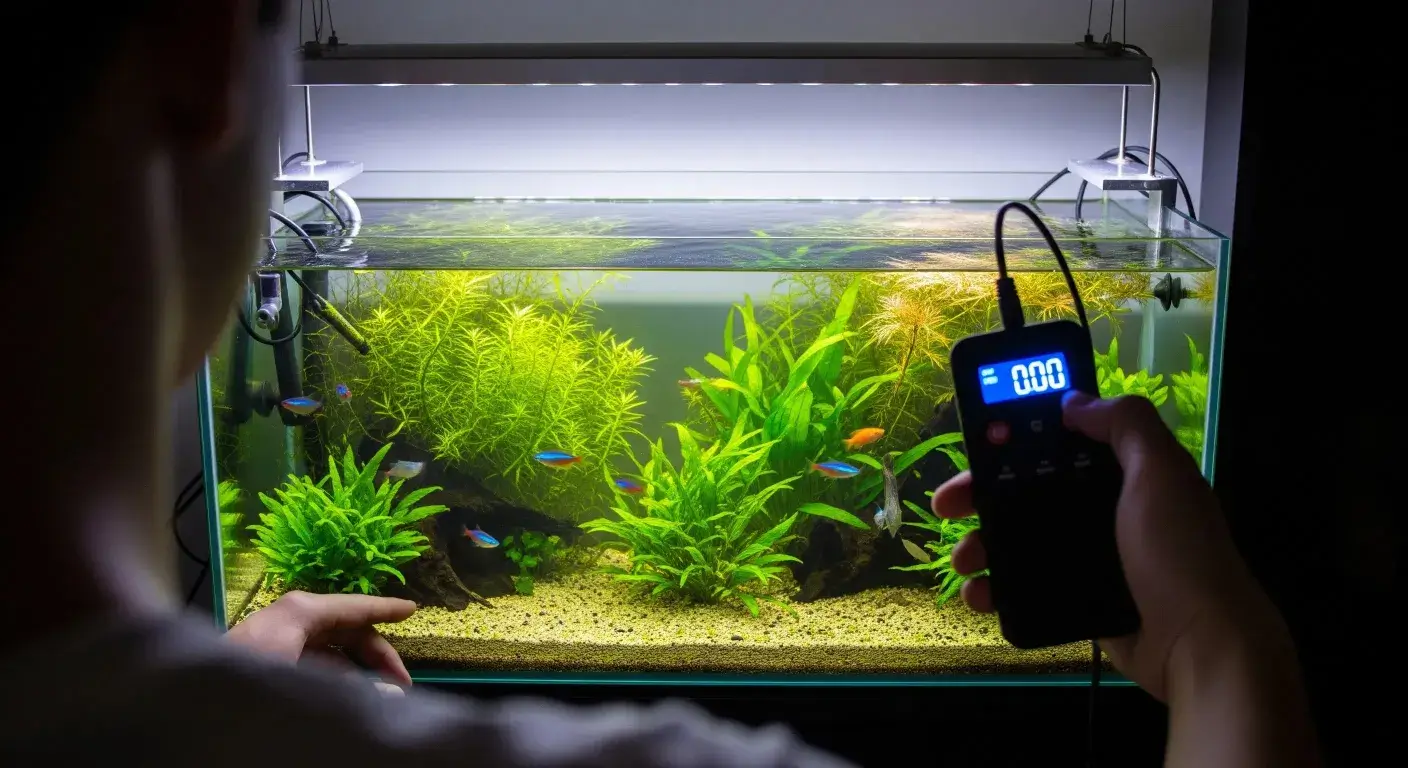
Plants need light to do their photosynthesis thing and actually grow. Sounds simple, right? But man, getting the lighting wrong will mess up your tank faster than almost anything else.
Here’s what goes sideways:
Not enough light: Your plants get weak, start losing their color, and then they just don’t want to live.
Too much light: Now you’ve got algae everywhere thanks to all that extra light, but your plants? They can’t keep up.
Wrong type of light: Your plants might hang on, but they’ll never really look healthy or grow properly
What you need to do:
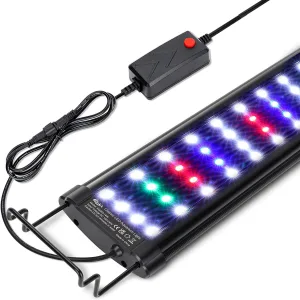
Get a decent light: Don’t cheap out here – get an LED fixture that’s actually made for planted tanks. Your regular aquarium light probably won’t cut it.
Stick to a schedule: Start with 6-8 hours a day and keep it consistent. Plants like routine.
Start slow: Begin with shorter light periods and work your way up as your plants get settled in. Going full blast right away is asking for algae problems.
4.Ignoring CO2 and Nutrient Supplementation Needs
Fish poop and leftover food should keep your plants happy because it’s natural fertilizer, right? Turns out that only works for the really tough plants that grow super slow. Most plants need way more than that to actually thrive.
Why fish waste doesn’t cut it: Sure, it’s got some nutrients, but not everything plants need. Plus it doesn’t give them the carbon they use for photosynthesis, which is kind of important.
What you actually need to think about:
Liquid fertilizers: These feed the plants through the water, while root tabs go straight to the roots of your rooted plants
CO₂ is a big deal: Even if you’re not going full high-tech, adding some form of carbon will make a huge difference
Here’s how to fix nutrient problems:
Consider a CO₂ setup: Yeah, pressurized CO₂ systems look like a fair deal but they’ll make your plants grow way too fast. Go for this only if you know you can handle that kind of growth.
Advanced Care Tips
Once you’ve got the basics down, there’s some next-level stuff that’ll take your planted tank from “okay” to actually impressive. These aren’t must-haves, but they’re what separate tanks that just survive from ones that really thrive. Here’s what we’re talking about:
Go Easy on the cleaning: When you’re doing water changes, don’t scrub everything down like you’re sanitizing an operating room. All those good bacteria in your filter and substrate are actually helping your plants, so leave them alone.
Get yourself a cleanup crew: Snails, shrimp, maybe some algae-eating fish – they’ll handle the algae so you don’t have to. Just don’t dump a whole army in there at once. Add a few, see how it goes, and make sure they’re not going to terrorize your existing fish.
Test your water sometimes: Everything looking perfect? Well, it may not remain the same always, so check your parameters once a month or so. Water chemistry can shift on you, and it’s way easier to fix small problems than big ones.
Leave things alone: We know how moving plants and changing lighting sounds like all fun, but this has consequences. Plants need weeks to adjust to changes, not days. So being patient here is the key.
Conclusion
Keeping plants alive isn’t anything complicated, but yes, it’s indeed more than just sticking some green stuff in your tank and hoping for the best. They need equal care and attention just like your fish does. We’ve gone through why plants are worth the effort, the big mistakes that kill them, and what you can actually do to keep them happy.
The basics really do matter that we covered in the article like cycling your tank properly, getting decent substrate, not messing up the lighting, and feeding your plants what they need. Get these right and you’re most of the way there.
Remember: Every tank is different, so what works in my setup might need a bit of adjustment in yours. Nonetheless, don’t be scared to try stuff, and when something works (or doesn’t), let other people know. Feel free to share what worked for you down below; you might save someone from so much struggle. Happy fishkeeping!
FAQ
1. The water in my aquarium is tap water, is it good for plants?
Yes, but it must be treated first.
Tap water contains chlorine and chloramine, which are toxic to aquarium life, including plants. You must use a water conditioner (dechlorinator) to neutralize these chemicals and heavy metals.
2. Do live plants help keep my aquarium clean?
Yes, live plants significantly help keep your aquarium clean and stable. They act as natural filters by absorbing harmful compounds like nitrate, ammonia, and phosphate (from fish waste and uneaten food), thereby starving out nuisance algae.
3. How many feet can underwater plants grow in a day?
astest-growing aquarium plants can grow up to 1-2 cm (0.4-0.8 inches) per day under ideal conditions (e.g., Hornwort).
However, tiny floating plants like Wolffia (watermeal) are the fastest-growing in the world, capable of doubling their entire mass in less than two days.
Full Spectrum Aquarium LED Light (14W for 12″-18″)...
Original price was: $18.99.$13.99Current price is: $13.99.
Full Spectrum Aquarium Clip-On LED Light (8W) with...
Original price was: $25.49.$22.99Current price is: $22.99.

Add comment
You must be logged in to post a comment.