
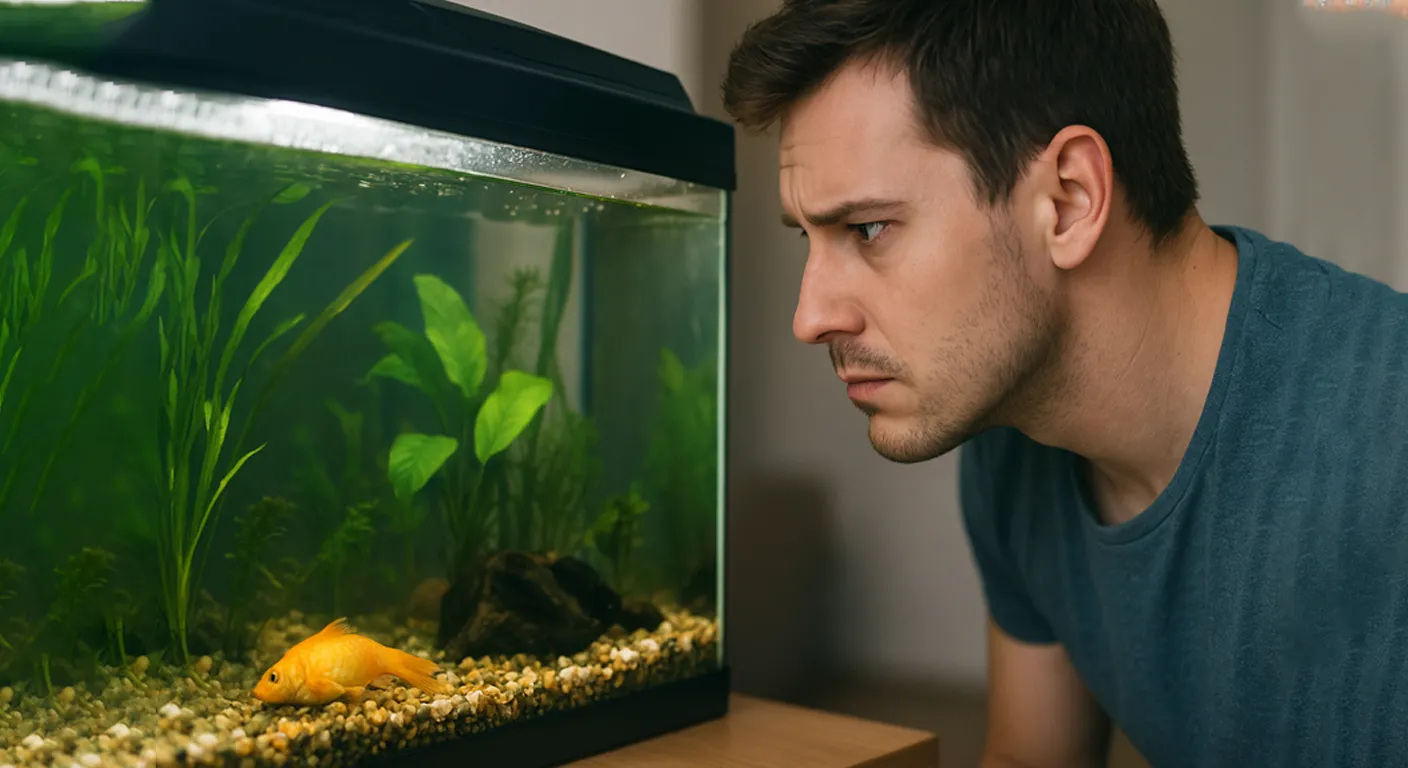
You have recently entered the fishkeeping world, bought yourself a very nice aquarium, and bought all the accessories you will need. The filter quietly hums, the heater keeps it warm in there, and your fish swim peacefully in their new home. The whole thing feels great at first, and then all of a sudden, one fish dies.
Then, a day or a week later, another follows and leaves you wondering and worried.
If you’re wondering, ‘why do my fish keep dying?’ you’re not alone. Many fish keepers, especially beginners, can feel sad and common regarding this kind of experience. There are a number of reasons why fish may die, whether through bad water quality, disease, etc. However, there are cases where the cause is not clear. In addition to the ordinary problems, there are lurking elements that may unexpectedly and silently kill your fish.
In this guide, we will reveal five of the causes of fish deaths that people typically are not familiar with. You will know how to identify these issues at early stages, and know the reasons why they develop. And finally, follow step-by-step instructions to ensure your aquarium lives and prospers.
What Affects Fish Health and Causes Fish to Die
It is vital to learn about the main conditions that influence the health state of fish before discussing the hidden dangers. Without knowing what affects survival, you will have a hard time preventing other deaths that may occur in the future.
1. Water Quality Parameters
The basics of a healthy aquarium are based on the water chemistry. Fish are completely dependent on the water habitat. Hence, a variation in the chemical nature of the water can be disastrous to fish. Even at minor concentrations, ammonia and nitrite are dangerously toxic. It burns the fish’s gills as well as impairing the internal organs. Nitrate is not so toxic; however, it may lead to strain and immunological depression if it is maintained for too long in high concentrations.
pH levels are a must, also. The rapid pH changes may startle fish, and extreme pH levels beyond what they like may result in long-term stress. Fish cannot breathe easily when the content of dissolved oxygen is low or the high level of temperature is high. The temperature will either decrease the metabolic rate or even overheat them. Even low concentrations of heavy metals such as copper can be harmful, particularly to sensitive species.

2. Tank Environment & Maintenance
A healthy environment has more to do than chemistry. Your tank system, water circulation, filtration system, and tank decor are very important parts of fish comfort. An effective filter not only eliminates the debris. But also sustains positive bacteria that neutralize soil toxins. Cramming the tank or having incompatible groupings may cause a state of continual tension, resulting in aggression and stress.
When doing the maintenance, care should be taken. One can kill the existing colonies of good bacteria that help in decomposing wastes. On the other hand, failure to attend to these aspects will cause the food and spoiled food materials to pile up. Which may be unhealthy in the future.
3. Fish Behavior as a Health Indicator
One of the first indications that something is going wrong is behavioral changes. When fish are healthy, they are highly active, take their food easily, and play with other fish in the tank normally.
When you see fish lurking under rocks, puffing at the gasping point, standing in an area, or not feeding, it is a signal. The symptoms develop early, before the physical symptoms such as spots or loss of fin, and provide you with precious time to act.
What Are the Common Reasons for Fish Dying?
The first step in deciding what is causing your fish to die is to identify one of the following common causes:
Poor Water Quality: Even minimal peaks of ammonia or nitrites are fatal once unaddressed for a short period.
Overfeeding: Decomposing food produces toxic chemicals and feeds disease-causing bacteria.
Diseases and Parasites: Disease is prevented by eliminating the sharing of water and equipment through frequent checks.
Lack of Oxygen: Fish cannot breathe in properly aerated water and can suffocate.
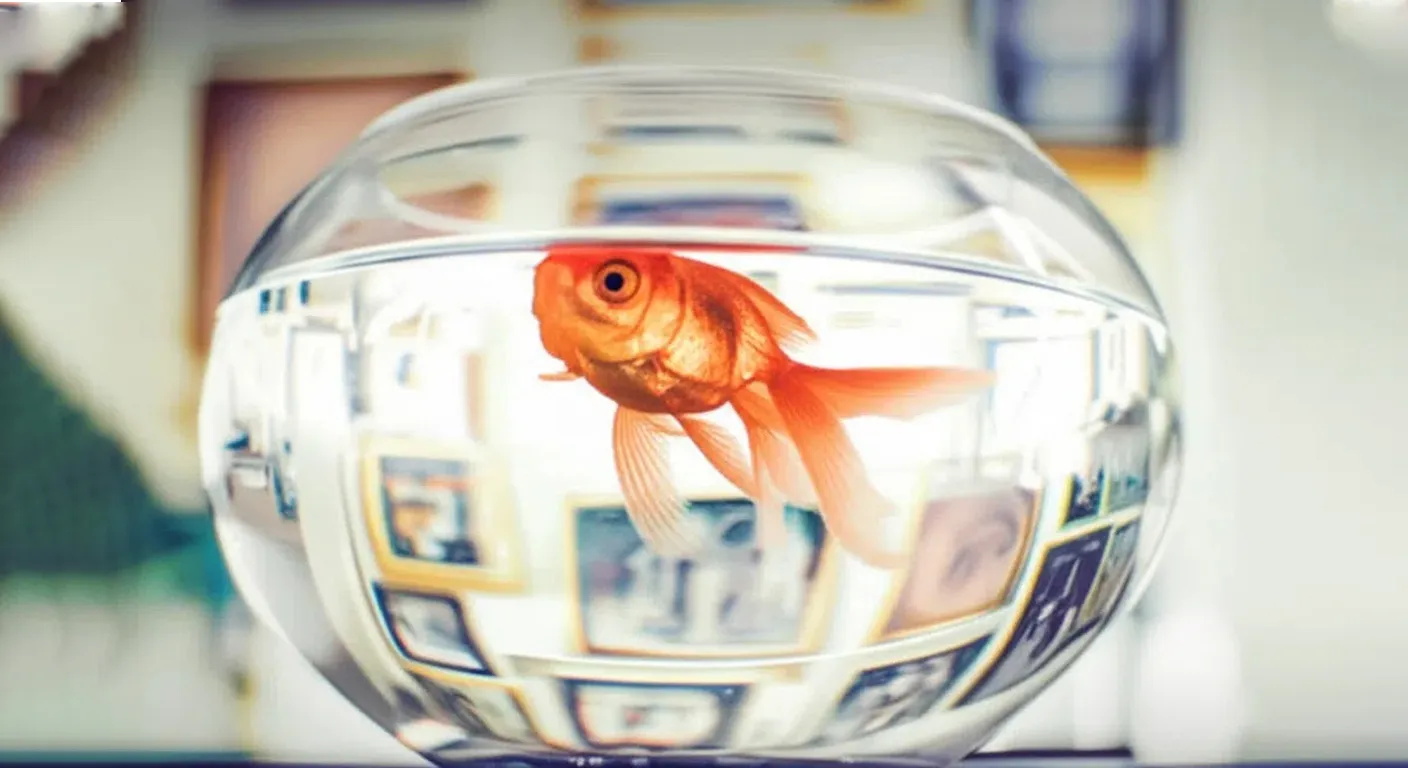
Top 5 Hidden Causes of Fish Dying
Your aquarium could be harboring dangers you never imagined, even with good maintenance and frequent testing done. These are five of the most prevalent and least discussed killers of home aquariums.
1. Invisible Chemical Toxins
Every threat in an aquarium may not be observed, but through straightforward tests to moderate it. Unrated tap water usually includes chlorine, chloramine, and heavy metals that may strain and even kill fish.
The decorations prescribed in the aquariums, including those not intended to be immersed in water, can seep toxic materials into the water. Chemical residues may also remain after drugs or water therapies are improperly filtered. Also some plastic plants as decorations in tank.
In certain cases, the household items increase the problem. Even cigarette smoke, air fresheners, and cleaning spray could end up on the water surface, dissolving into sources of toxins.
How to Detect and Remove Toxins
Use all-in-one test kits that test the presence of heavy metals and chlorine.
Tap water should be treated using a premium-quality water conditioner prior to adding it to your tank.
Never place the rocks, shells, or ornaments in the aquarium whose origin is not justified.
Once you medicate fish, use activated carbon in your filter that will take up the rest of the chemicals.
Focusing on these largely ignored contaminants, you will spare your fish from threats that are not seen but can be deadly.
2. Biofilm and Parasite Reservoirs
Biofilm is a slippery, thin film that seeds glass, décor, and equipment. Although it is a normal component of any water ecosystem. It could also harbour harmful bacteria, fungi, and parasites, which would otherwise flourish unattended. Certain organisms, such as planaria and the flatworm, flourish in this film. They feed on the debris and, at times, prey on defenseless fish or eggs.
The biofilm site hotspots are usually neglected filters and inaccessible corners of the tank. Once pathogens get rooted here, they will be able to severely infect your fish. Even following the treatment.
How to Detect and Control Biofilm
Examine the inside of tanks by bright light or UV light to identify buildup.
Obtain the presence of harmful microorganisms with the help of the biofilm test swabs.
At the moment of the water change, clean the infected spots by scrubbing them with aquarium-friendly brushes.
Better water flow distribution so that water does not stagnate and promote biofilm bacterial growth.
Frequent cleaning and adequate circulation go a long way in eliminating the chance of biofilm becoming a source of disease.
3. Oxygen Fluctuations and Hypoxia
The amount of oxygen in your tank does not remain the same. It varies according to time of day, plant activity, and temperature. Plants and algae also use oxygen at night and in the morning. This may result in harmful levels of oxygen. In the case of fish tank that is highly-stocked, such oxygen depletion might cause fish deaths in the morning.
Signs of Hypoxia
Fish may stay at the top of tank, gurgle heavily, or huddle about filter outlets where oxygen is most abundant.
How to Prevent Oxygen Fluctuations
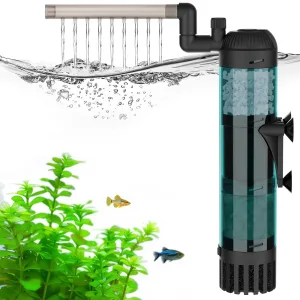
Put in powerheads, sponge filters, or air stones to increase aeration.
One should avoid aggressive surface agitation to increase gas exchange.
Don’t overstock; cut the plants when they become overgrown.
Keep the temperature of the water unchanged because the warm water has lower oxygen levels.
By maintaining a steady oxygen concentration, you will eliminate the stress and avoid sudden as well as gradual deaths due to respiratory distress.
4. Hidden Substrate Problems
It is not some decorative substrate; it can conceal some of the worst surprises. Uneaten food litter, fish waste, and plant debris will lie trapped in the depths of gravel, sand, dirt, or soil. This material will decay with time that causing the release of poisonous gases such as hydrogen sulfide, which is lethal even in small doses.
Some substrates, such as very fine sand, can also form anaerobic pockets on which harmful bacteria can flourish. These pockets are capable of spewing a burst of toxins into the water in case they are disturbed suddenly..
How to Avoid Substrate Issues
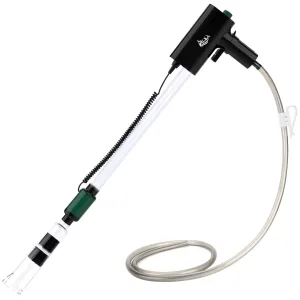
Vacuuming out water change using a gravel vacuum to help get trapped trash out.
Sandy substrates should be stirred gently to avoid gas buildup.
Be deliberate when feeding in order to reduce the amount of waste buildup.
The example is a mixed-grain substrate that allows improved water movement and decreases anaerobic areas.
Ensuring the substrate is clean and lacks oxygen is a crucial, but frequently overlooked, aspect of fish health.
5. Missing Quarantine Steps
It is one mistake even breeders get, although they are experienced and take precautions. New fish, plants, and even invertebrates may harbour parasites, bacterial infection, or pests. These may be unnoticeable initially. These pathogens will attack your established fish. When introduced, they may not take long before you see signs of the symptoms.
Effective Quarantine Protocols
New fish ought to be isolated in a quarantine tank for ideally 2 to 4 weeks.
Watch for deviant activity, change of appetite, or physical disturbances.
Cure any ailments that are identified and transfer fish to the main tank.
Wash and check every new plant, cut off the dead leaves or any suspect growths.
This additional measure might prove to be rather time-consuming. But it is one of the effective measures against any unknown outbreaks.
Steps to Take After Preventing Fish Death
After having dealt with these underlying causes, you should think about long-term prevention.
Daily Monitoring
Test the water temperature, observe fish, their behaviour, and any abnormal signs such as gasping, clamped fin, or discoloration. Measurement and control of food should be observed to avoid the accumulation of waste.
Weekly Habits
Test the ammonia, nitrate, and nitrite, and pH stability. Do partial water changes of some 20-30% with conditioned water. Any non-eaten food, decaying plant material, is removed. Also, the filter components are cleaned softly so as not to remove the beneficial bacteria.
Tools That Help
Master water test kits for regular monitoring.
Digital thermometers for precise temperature control.
Gravel vacuums for easy substrate cleaning.
Oxygen test kits for tanks with heavy stocking or live plants.
Maintenance Checklist for Hidden Risks
Test for toxins monthly using comprehensive kits.
Inspect and clean biofilm during water changes.
Ensure continuous aeration with air stones or surface movement.
Vacuum the substrate weekly to prevent gas buildup.
Quarantine all new tank additions before introducing them.
Conclusion
Constant death of fish is frustrating, particularly after you have put your time, care, and money into an aquarium. Although such conventional factors as inadequate water quality and diseases, as well as overfeeding, need to be discussed. It is sometimes the insidious risks, such as chemical toxins, biofilm accumulation, oxygen imbalance, substrate issues, and quarantine failures, that end up doing the most harm.
Through mastering the ability to detect these problems early enough and using regular maintenance patterns, you can make your tank a healthy and secure habitat. Fish keeping becomes a matter of observation, waiting, and adaptability. Each failure educates you about aquatic pets and their demands and their satisfaction.
Never quit when difficulties come in. Rather, make them chances to expand your knowledge and hone your skills in taking care of the aquarium. Eventually, you will reap the reward of healthy, active fish that will add joy and beauty to your home.







Add comment
You must be logged in to post a comment.