
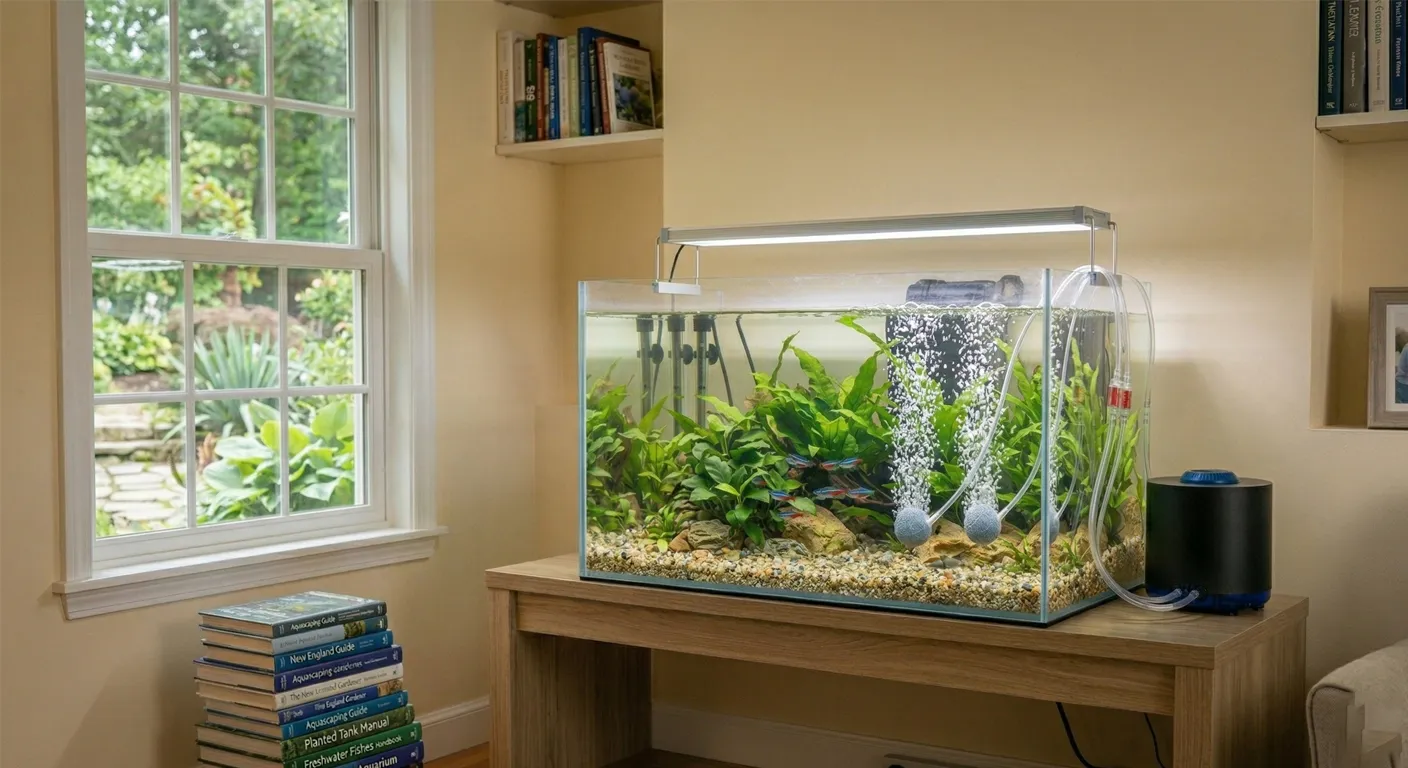
For aquarium enthusiasts, a fish tank isn’t just a piece of furniture. It’s a living, breathing ecosystem bursting with beauty and life. To keep this miniature world balanced, every component of the aquarium system must work in harmony. Among these, the aquarium air pump plays a vital role in maintaining oxygen levels, supporting biological filtration, and creating a pleasant, dynamic environment for fish and plants alike.
In this guide, we’ll explore what makes air pumps so essential, how they function, and what features and factors you should consider when choosing the perfect one. Whether you’re setting up your first home aquarium or upgrading your existing system, this comprehensive overview will help you make an informed decision.
Table of Content
ToggleWhy an Air Pump Matters
Fish depend on dissolved oxygen in the water, and aquariums do not naturally replenish oxygen the way rivers, lakes, and streams do. An air pump helps create surface movement, which improves gas exchange and allows oxygen to enter the water while carbon dioxide escapes. This process is especially important in tanks with many fish, limited surface agitation, or warm water, since oxygen levels can drop faster under those conditions.
The pump also supports the overall ecosystem inside the tank. Better circulation helps prevent dead spots where waste can collect, and it assists beneficial bacteria that break down ammonia and nitrite. That means a good air pump is not only about fish breathing comfortably; it also contributes to cleaner water and a more stable aquarium environment.
Why Oxygen Is Essential in Aquariums
Every living organism in an aquarium—fish, plants, snails, and beneficial bacteria—relies on oxygen. In nature, surface movement, rainfall, and plant photosynthesis constantly renew the oxygen supply. In a closed aquarium environment, that balance must be maintained artificially.
Insufficient oxygen can lead to several problems:
Fish gasping at the surface due to low oxygen levels.
Slow plant growth and poor coloration.
Build-up of harmful gases like carbon dioxide or methane.
Weak biological filtration because beneficial bacteria need oxygen to process waste.
By installing a well-chosen air pump, you can prevent these issues and ensure oxygen remains abundant throughout your tank.
Functions and Benefits of Aquarium Air Pumps
Aquarium air pumps do much more than make bubbling sounds. They have multiple practical functions that contribute to the overall health and aesthetic appeal of the aquarium environment.
1. Efficient Oxygenation
Increases dissolved oxygen by promoting constant air-water exchange.
Supports fish respiration and nutrient absorption.
Boosts biological filtration by enabling aerobic bacteria to break down toxins effectively.
2. Enhances Water Circulation
Helps prevent oxygen-deprived “dead zones.”
Assists mechanical filters by improving flow across the tank.
Ensures even distribution of heat and nutrients.
3. Stabilizes Water Quality
Promotes gas release (CO₂, nitrogen, ammonia) from the water’s surface.
Reduces risk of algae overgrowth by keeping oxygen balance in check.
Keeps organic particles suspended for easier filtration.
4. Adds a Decorative Element
The rhythmic bubbles create a peaceful, aesthetic visual effect.
Can highlight underwater layouts by accentuating lighting or plant movement.
5. Supports Aquarium Equipment
Many filters, protein skimmers, and air stones rely on air pumps to function properly.
Serves as a backup oxygen supply during power outages.
Key Features in an Aquarium Air Pump
When evaluating an air pump, pay attention to both performance and user-focused design. Here are the most important characteristics:
Feature | Description | Benefits |
Oxygen Output Capacity | Indicates how much air the pump can move into the water per minute or hour. | Ensures adequate oxygen levels according to tank size and fish density. |
Noise Level | Measured in decibels (dB); quieter models may use rubber damping or advanced motor design. | Creates a peaceful environment for fish and avoids noise disturbance for you. |
Adjustable Airflow | Allows users to fine-tune oxygen output with control valves or regulators. | Offers flexibility across tanks of different sizes or species needs. |
Durable Build Quality | Pumps made with ABS or metal housing provide longer service life. | Resists wear, heat, and vibration for stable operation. |
Energy Efficiency | Modern models consume very little power, often below 5 watts. | Reduces electricity costs and environmental impact. |
Smart Functions | Options may include automatic timers and intelligent oxygen management systems. | Adds convenience and custom control. |
Types of Aquarium Air Pumps
Not all air pumps are the same. They vary in design, noise level, and intended use.
Type | Suitable For | Highlights |
Standard Air Pumps | Small to medium freshwater aquariums | Affordable, simple to operate, reliable for general oxygenation. |
Dual or Multi-Outlet Pumps | Larger tanks (100+ gallons) or tanks with multiple decorations or filters | Allows several devices—air stones, decorations, filters—to run at once. |
Battery-Powered Pumps | Emergency oxygen supply or transport situations | Handy during power outages or travel. |
Submersible Air Pumps | Specialty applications or high-aesthetic setups | Operates underwater; ideal for hidden installations but may be pricier. |
Silent or Ultra-Quiet Pumps | Bedroom or office aquariums | Designed with vibration isolation and noise-reduction materials. |
Choose based on your tank’s size, number of fish, and your overall setup preferences.
How to Match an Air Pump to Your Aquarium
Selecting the right air pump involves matching its specifications to your tank’s characteristics. Here’s how to make the right call:
1. Consider the Size of Your Aquarium
The bigger the tank, the more air circulation it requires.
A rule of thumb: choose an air pump rated slightly higher than your tank’s actual capacity for reliable performance.
2. Assess Organism Density and Type
Tanks full of active species like cichlids or goldfish need more oxygen than those with small schooling fish.
Densely vegetated or biotope-style aquariums may demand higher air flow at night when plants consume oxygen.
3. Evaluate Noise Sensitivity
Check sound levels before buying—silent pumps average around <40 dB, while standard pumps may produce 50–60 dB.
Rubber mounts or insulated cabinets can help reduce vibration noise further.
4. Look Into Brand Reputation
Trusted brands offer consistent quality and reliable after-sales service.
Reading user reviews and performance tests can guide your choice toward durable, efficient models.
5. Check Energy Consumption
Many modern pumps operate on 2–5 watts, offering continuous operation at low cost.
Energy-efficient builds also produce less heat and extend motor life.
6. Think About Future Upgrades
If you plan to expand your tank or add more accessories later, a pump with multiple outlets or higher air capacity will give flexibility.
Common Mistakes When Choosing Air Pumps
Even experienced aquarists can make small oversights during selection. Avoid these pitfalls:
Underestimating oxygen needs. Some hobbyists buy pumps based solely on aquarium size, ignoring fish density and plant oxygen levels.
Ignoring noise levels. A loud pump can distract in quiet rooms or cause stress for sensitive fish species.
Overcomplicating setups. More outlets aren’t always better—too strong an air current can disturb delicate plants or fry fish.
Skipping maintenance. Regular cleaning of air stones and tubes prolongs pump life and maintains airflow efficiency.
Not checking warranty and support. Reliable after-sales service can save costs in the long run.
Buying Tips and Recommendations
When making your final decision, keep these practical buying tips in mind:
Compare product specifications from multiple brands; wattage, pressure rate, and output volume are key indicators of efficiency.
Read verified user reviews to get real-world insight into durability and noise levels.
Check the return policy and service warranty length—it’s best to have a 12-month or longer coverage.
Bundle accessories wisely. Buying air stones, tubing, and valves together ensures compatibility and simplicity during installation.
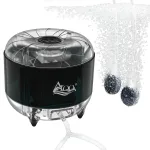
If you’re looking for reliable models, we offers a wide range from beginner-level pumps to advanced multi-functional systems. For example, the AQQA Aquarium Air Pump 3W for 200-Gallon Tanks provides quiet, efficient performance suitable for medium to large tanks—perfect for maintaining stable oxygen levels with minimal maintenance.
Signs Your Aquarium Air Pump Needs Attention
Like all mechanical devices, air pumps eventually show signs of wear or malfunction. Watch out for these indicators:
Reduced bubble output even after cleaning air stones.
Unusual noise or vibrations indicating loose parts or degraded diaphragms.
Higher electrical consumption or frequent stalling.
Visible wear on tubing or connectors causing air leaks.
If any of these occur, it’s time to perform maintenance or consider a replacement.
Conclusion
An aquarium air pump is far more than a technical accessory—it’s the heartbeat of your tank’s ecosystem. By continuously circulating air and aiding in gas exchange, it sustains every life form inside, from your colorful fish to the beneficial bacteria that cleanse the water.
Choosing the right air pump requires balancing performance, noise control, and durability, but once installed correctly, it will quietly do its job day after day, ensuring that your aquatic world remains lively and vibrant.
Whether you’re managing a serene planted nano tank or a bustling 200-gallon community setup, a dependable air pump is one investment that pays back in healthier fish, clearer water, and peaceful enjoyment.
Related Reading
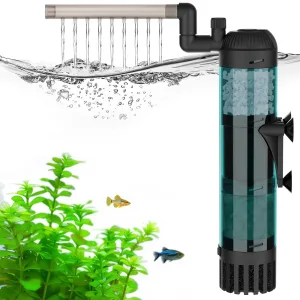
Related Products For Your Reference
Aquarium Air Pump, 1.5W 80GPH, Rechargeable










Add comment
You must be logged in to post a comment.