
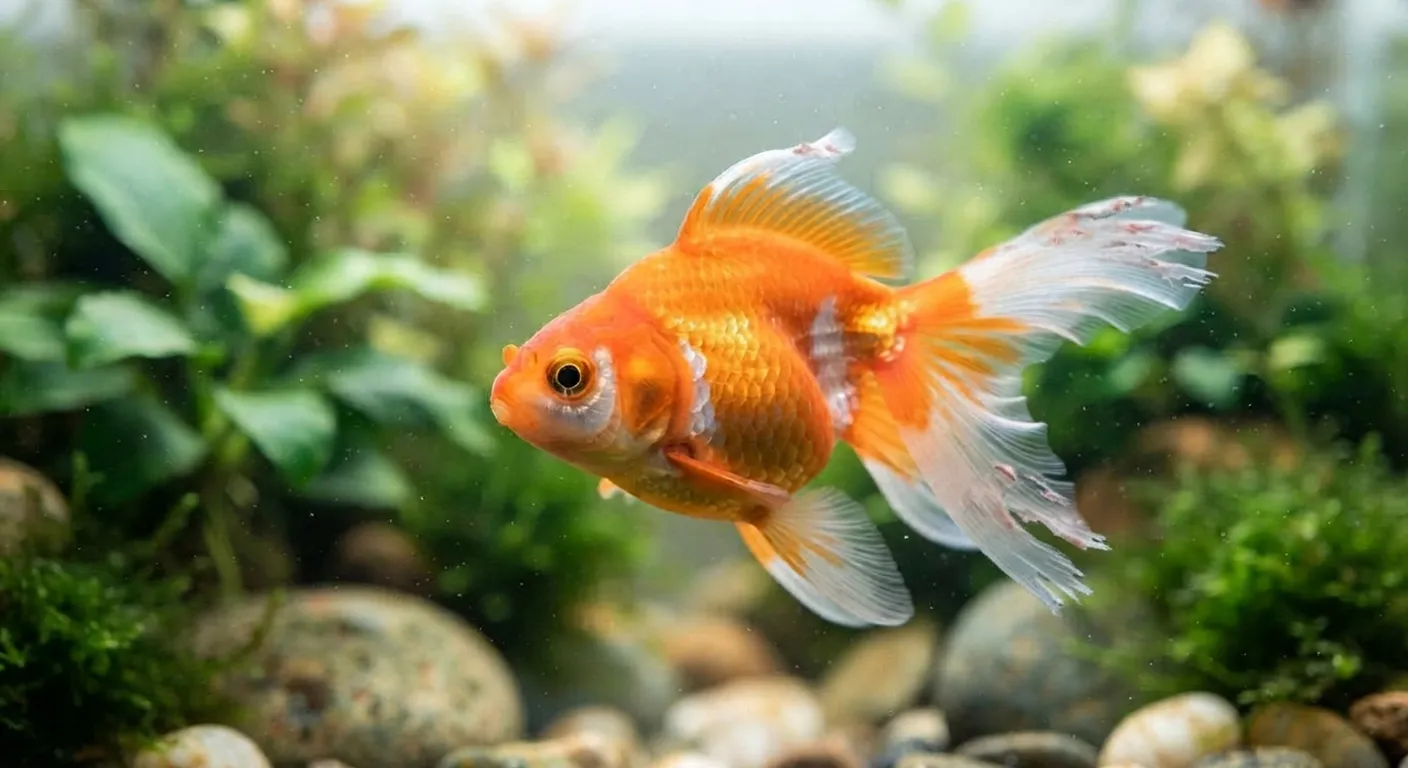
You notice your goldfish’s tail looks ragged one morning. The edges seem frayed, a little split, and maybe shorter than they were last week. Your first instinct may be to reach for a bottle of medicine. Slow down for a moment. Frayed, splitting, or shrinking fins can have several causes, and treating the wrong one wastes time while the fish gets worse.
This guide shows how to judge urgency, separate possible fin rot from injury, and build a plan around the likely cause. It also covers tank conditions, medication, recovery signs, and prevention.
How Urgent Is Your Goldfish’s Condition
Fin damage can stay stable for weeks or spread within a few days. The difference usually shows in how the fish eats and moves, not only in how the fins look. Before you change anything in the tank, take a careful look at the whole picture.
Look Beyond the Damaged Tail
Start with the fish itself. Check its appetite, how actively it swims, and whether it hides or hangs near the surface. Measure how much tissue is missing and whether the edges move inward from one day to the next. A photo taken from the same angle each day makes this comparison much easier.
Next, look at the other fish in the tank. Fin problems in one fish can point to a water issue that affects the whole group. Write down when you first noticed the damage. Then think back to anything that happened just before it. A tank cleaning, a new tankmate, a sudden temperature drop, or a bump from a decoration often comes first.
Know When Home Care Is Not Enough
Some cases need a veterinarian who treats fish. Call one if you see extensive tissue loss, steady decline over several days, or no improvement after you correct the water and the environment. Lethargy, bloating, pale patches on the body, and a fish that refuses food also justify a call.
Report every behavior change to the vet. Tell them exactly what you have already used and when you used it. Resist the urge to keep switching products. Each change adds stress, and mixed treatments can hide the real diagnosis.
Check What You Are Actually Treating
Fin rot describes progressive deterioration of fin tissue. It is a description of what you see, not a confirmed diagnosis. Many damaged fins look rotten but were actually hurt by physical trauma. Injury and infection often overlap.
Consider Injury as the First Suspect
Injury is especially common in fancy goldfish with long, flowing fins. Those delicate tails catch on live plants, rough gravel, filter outlets, and sharp ornaments. A fish that charges at food may tear its fins again and again during feeding time.
A clean split right after a known incident usually points to trauma.
Read the Color and Edge
Pay attention to color at the fin edge. White or translucent tissue often means new growth, not infection. Healthy regrowth looks pale and clear at first, then slowly gains color as it matures. Infected tissue usually looks different. Its edge tends to appear frayed, cloudy, or reddened, and it keeps pulling back.
Use the list below as an observation aid, not a veterinary diagnosis.
A split or tear right after a known incident usually points to injury. Watch whether it heals or keeps spreading.
Edges that keep receding over several days suggest active infection or poor water. Test the water right away and plan a vet visit if the trend continues.
A white or translucent edge while the fish eats and swims normally usually means recovery is under way.
Large losses with a worsening trend need prompt veterinary input, since infection may be moving into deeper tissue.
Build the Treatment Plan Around the Cause
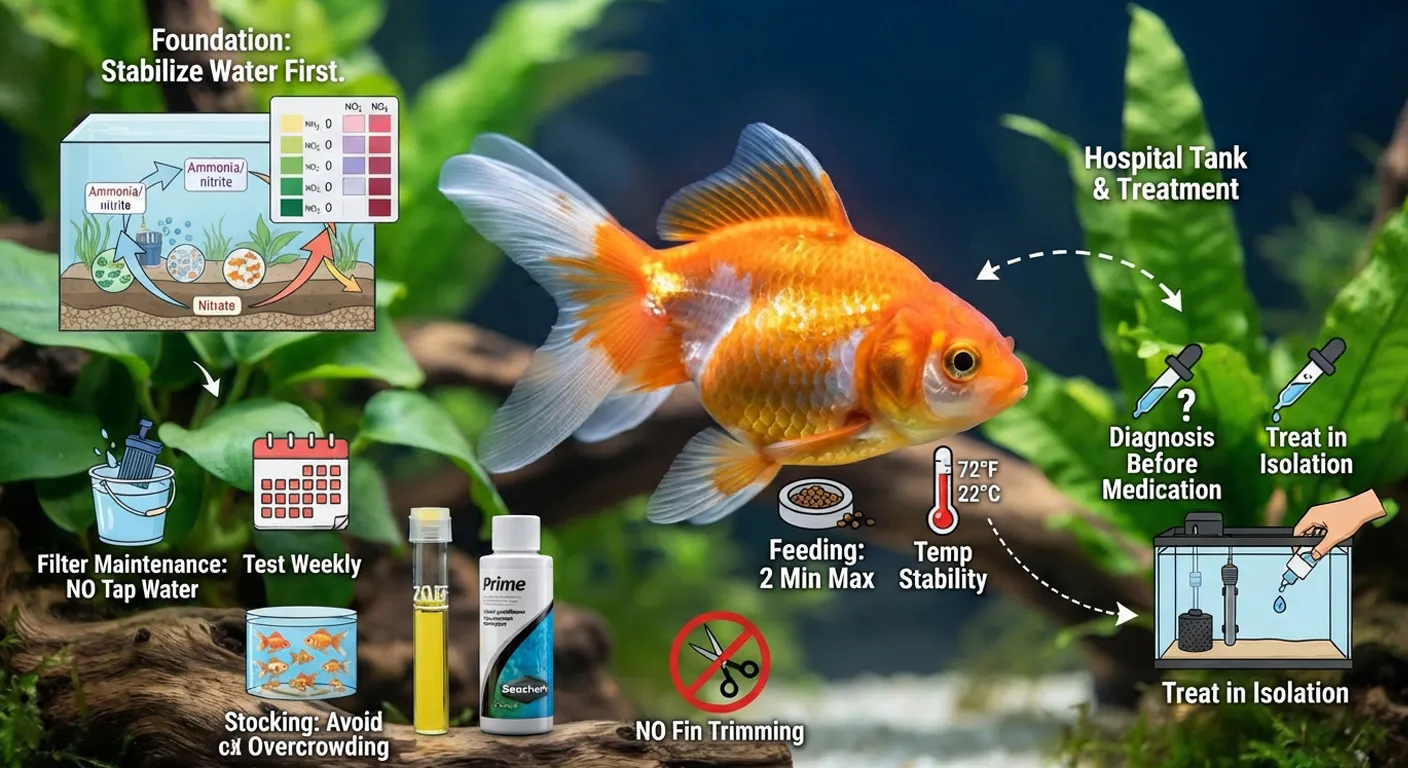
Medication matters, but it sits on top of a foundation. If the water is poor, the fins will keep breaking down no matter what you add. Fix the environment first, then decide whether a product is needed at all.
Stabilize the Tank Before Adding Products
Start with a liquid test kit. Record ammonia, nitrite, nitrate, and pH on the same day each week, or more often during a problem. In a cycled tank, ammonia and nitrite should read zero. Nitrate should stay low, ideally under 40 parts per million, and lower is better. Clear water tells you nothing about its chemistry, so trust the readings instead.
Next, review your routine. Check how often you clean the filter, whether you rinse media in tap water, and how many fish share the tank. Goldfish produce a lot of waste. Overcrowding and heavy feeding push ammonia up faster than most beginners expect.
Feeding deserves a close look. Offer only what the fish finishes in about two minutes, and skip a meal now and then. Uneaten food rots on the gravel and feeds the bacteria that cause trouble.
Water changes help when you do them properly. Use dechlorinated water that matches the tank temperature closely. Base the size and timing of each change on your test results. Many keepers replace roughly 25 to 30 percent when nitrate or ammonia climbs. Siphon debris from the substrate, but never sterilize the tank or replace all the filter media at once. Doing so removes the beneficial bacteria that break down ammonia.
Temperature matters too. Sudden swings stress the immune system, so keep the tank away from cold windows and heating vents.
Decide Where Treatment Should Happen
A separate container lets you treat one fish without medicating the main tank. It also makes it easier to watch appetite and behavior up close. A hospital tank only helps when it holds stable conditions. Keep the temperature steady, provide gentle aeration, and monitor the water as carefully as you would in the main tank.
A bare container can crash quickly because ammonia builds up fast in small volumes. A sponge filter moved from the main tank helps keep bacteria alive.
Moving one fish does not solve the original problem. If the main tank still holds the cause, the fish will face it again after it returns. Treat the tank as well as the fish.
Choose Medication for a Reason, Not Just a Symptom
A medication should follow a diagnosis, not a guess based on the tail alone. Whether a bacterial infection is involved, and whether an antibiotic suits the case, should guide your choice. Many fin products on store shelves are general remedies with unclear targets.
Read the label carefully. Know the active ingredient, follow the directions exactly, and avoid combining products unless a knowledgeable source confirms they are compatible. Some antibiotic treatments can damage biological filtration. Test ammonia and nitrite during treatment and for a few days after it ends.
Persistent or severe cases belong with a vet. A vet can identify the likely organism, choose an appropriate drug, and set a plan for dosing. No single product works for every case. This guide does not offer dosing recipes or medication combinations for that reason.
Do not trim fins at home, since cutting can open the tissue to new infection.
Track Improvement Before Expecting Full Regrowth
Recovery happens in two stages. The first is stopping the damage. The second is regrowing the fin. Confusing them leads to premature changes in treatment.
1. Watch for the Damage to Stop
The first good sign is that the edges stop receding. The fins may still look ragged, but they hold their shape from one check to the next. Appetite and activity often return before the fins look normal. Those changes matter just as much as the fins.
Keep a simple recovery record. Log the date, a photo from the same angle, water readings, behavior notes, and every treatment used. This record helps you spot patterns, and it gives a vet useful information if you need one.
2. Interpret New Growth Carefully
Fin regrowth is slow, and timelines vary from fish to fish. Older fish, cooler water, and deeper damage can stretch them further. Avoid promising yourself a fixed number of days.
Learn to tell continued tissue loss from slow restoration. Regrowth usually appears as clear or pale tissue at the edge that gradually fills in. Continued loss shows as an edge that keeps moving inward across several checks.
If the fish worsens or stops responding, reassess instead of extending the same medication. Bring your recovery record to the vet. Good notes often save weeks of guesswork.
If the Fins Keep Deteriorating, Recheck Your Assumptions
Sometimes a fish keeps declining despite your efforts. That usually means something in the original assessment was off. Work through a few questions before you try anything new.
Was the cause identified correctly, or did you treat an injury as an infection?
Are there water problems that never fully went away, such as slow ammonia or high nitrate?
Is the fish still getting bumped, crowded out at feeding time, or stressed by tankmates?
Did a treatment disturb the filter, or were products used in the wrong order?
No improvement does not justify stronger medications or stacking several products together. Persistent or progressive damage calls for a vet who can examine the fish directly. Bring your photos, test results, and treatment log to that visit.
Make the Recovery Last
Once the damage stops, prevention keeps it from coming back. Stable water quality is the most useful habit you can build. Keep up regular testing, suitable stocking levels, and steady maintenance. Goldfish need more room than many beginners expect, so plan the tank around the adult size.
Inspect the decorations too. Rough resin ornaments, sharp plastic plants, and narrow gaps can snag long fins. Smooth surfaces and open layouts protect delicate tails from everyday contact.
Keep observing after the fins look better. Fix the original trigger rather than relying on preventive medication, which only masks a water problem.
Final Thoughts
Treating suspected goldfish fin rot takes more than medicine. Confirm the cause, stabilize the water, and use medication only when a diagnosis supports it.
Stopping deterioration and regrowing fins are different milestones. Celebrate the first one, and expect the second to take time. Keep tracking fin appearance, appetite, activity, and water readings. That record tells you more than any single photo or test result.
Aquarium Electric Sponge Filter (3W/5W) with Double Filtration...
Original price was: $20.39.$19.19Current price is: $19.19.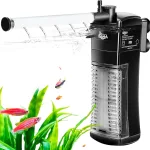
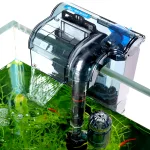
Aquariums Power Filter, 74GPH, for 5-10 Gal Tanks
Original price was: $25.99.$20.79Current price is: $20.79.

Add comment
You must be logged in to post a comment.