
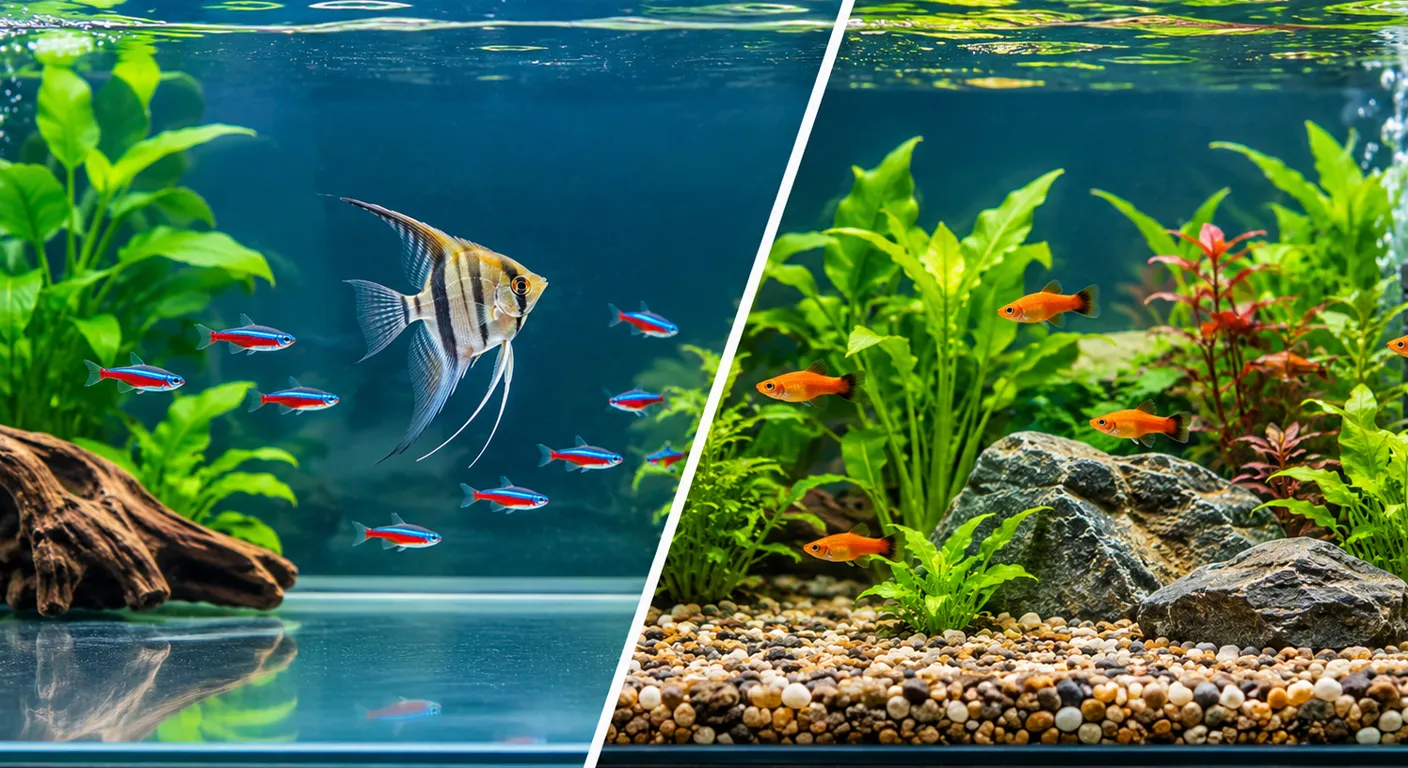
Bare bottom and gravel tanks can both support healthy fish and plants. Each one offers different advantages. A bare bottom tank makes waste and uneaten food easy to spot and remove. Gravel adds a natural look, extra surface area for beneficial bacteria, and more options for plants and fish behavior. The better choice depends on the tank’s purpose, its inhabitants, and how much cleaning you can manage each week.
This guide compares both setups. It covers their strengths, weak points, cleaning demands, and startup costs. It also explains how to choose the right option, keep your filtration working, and avoid mistakes that many beginners make.
What Is a Bare Bottom Tank
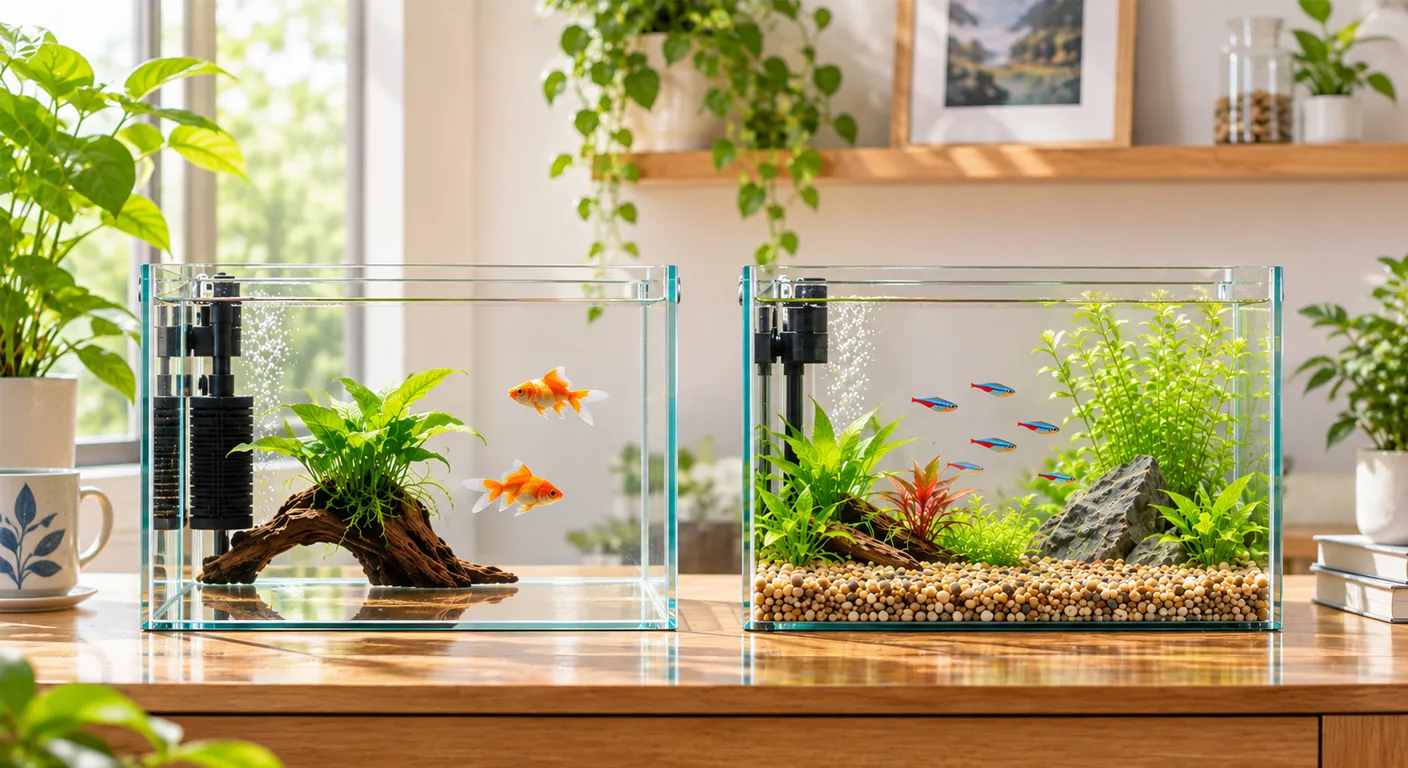
A bare bottom tank has no substrate on its floor. The glass base stays exposed, with nothing covering it except the equipment you add. Aquarists use this design for breeding tanks, quarantine tanks, and grow-out tanks for young fish.
Each of these uses depends on being able to see and clean the floor quickly. An exposed base lets you act before a small problem turns into a larger one.
Key Characteristics
The tank floor has no substrate, so the glass remains fully visible.
Waste, leftover food, and dead matter sit on the glass where you can see them.
Disinfection goes faster because there are no particles to soak or dig through.
What Is a Gravel Tank
A gravel tank has a layer of small stones covering the floor. Grain sizes usually range from fine to medium, and the depth depends on the setup. A thin layer of one inch or less works for simple display tanks. Planted tanks often need two to three inches so roots can anchor and spread.
Gravel is common in community tanks and planted aquariums. It gives the tank a finished look and something for plants to grip.
Key Characteristics
Gravel depth should match the plants and the stocking plan.
The substrate shapes the tank’s appearance and anchors rooted plants.
Substrate choice affects how fish forage, dig, and spend their time.
Side-by-Side Comparison
The table below summarizes the main differences. The sections that follow explore each factor in more detail.
| Factor | Bare Bottom | Gravel |
| Cleaning | Quick siphoning and wiping | Regular vacuuming of the bed |
| Appearance | Clean, minimal, and stark | Natural and decorative |
| Live plants | Floating and attached plants only | Rooted plants supported |
| Biological filtration | Relies on filter media and glass | Extra surface area in the bed |
| Fish behavior | Fewer digging and foraging options | Supports sifting and burrowing |
| Best use | Breeding, quarantine, fry grow out | Display, community, planted tanks |
Advantages of a Bare Bottom Tank
Bare bottom setups work best when visibility, hygiene, and control matter most.
Easier Maintenance
Siphoning a bare bottom tank takes only a few minutes. The siphon reaches the entire floor without disturbing anything buried. You can also remove decorations and scrub the tank thoroughly after a disease outbreak. That level of cleaning is harder to achieve with gravel.
Better Waste Control
Waste stays on the glass, where you can see it. You notice a dead snail, a stuck pellet, or a pile of excess food right away. This matters in heavily fed tanks, where debris can build up unnoticed for days.
Ideal for Breeding and Quarantine
Breeders can spot and remove eggs and fry quickly. Quarantine tanks benefit because a clean floor lets you monitor sick fish closely. Fish with shallow or stressed behavior also become easier to observe.
Disadvantages of a Bare Bottom Tank
Bare bottom tanks have some drawbacks worth considering before you commit.
Less Natural Look
Many aquarists find bare glass visually flat. Some fish also seem more exposed and less confident in an empty tank. Plants, caves, and driftwood soften the look. They do not replace the depth and texture that gravel provides.
Reduced Surface for Biological Filtration
Beneficial bacteria colonize any surface that water touches. Gravel gives them a large area inside the tank. A bare bottom tank loses that space, so your filter media must handle more of the work. Check your filter’s capacity before making the switch.
Limited Planting Options
Rooted plants need substrate to anchor and draw nutrients. Bare bottom tanks suit floating plants and plants attached to rocks or wood. Java fern and anubias are good examples. They grow from rhizomes that attach to the substrate, so they do not need to be buried.
Advantages of a Gravel Tank
Gravel offers benefits in appearance, biology, and fish behavior.
Natural Appearance
Gravel creates a finished look that suits most home aquariums. It also hides cords, heaters, and the bare glass base. Planted layouts look more convincing when they grow from a natural bed.
Extra Surface for Beneficial Bacteria
Bacteria convert ammonia into nitrite, and then into nitrate. Gravel provides a large surface area where these bacteria can thrive. A well-established bed helps keep the nitrogen cycle stable, especially in tanks with steady feeding.
Opportunities for Natural Behavior
Many fish sift through substrate to find food. Some dig, bury themselves, or spawn in the bed. Fine, smooth substrate lets them act more naturally. Corydoras and kuhli loaches are good examples of bottom dwellers that benefit from this setup.
Disadvantages of a Gravel Tank
Gravel brings extra cleaning work and some livestock limitations.
Traps Waste
Uneaten food and waste sink between the particles. Over time, these pockets decompose and release nutrients. Deep pockets can run low on oxygen, which slows decomposition in an unhealthy way. Regular vacuuming prevents this buildup.
More Involved Cleaning
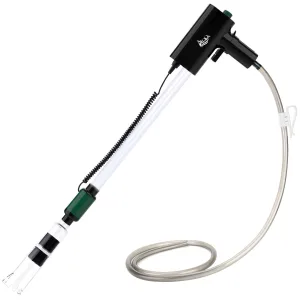
A gravel vacuum is required to clean the bed during water changes. Cleaning gravel thoroughly takes longer than siphoning a bare floor. New gravel also needs rinsing before it goes into the tank, which adds a step at setup.
Unsuitable Gravel for Certain Fish
Sharp or jagged gravel can damage the barbels of bottom feeders. Barbels are the whisker-like sensory organs many catfish use to find food. Corydoras need smooth, rounded particles or fine sand. Some decorative gravels also contain minerals or coatings that can change water chemistry, so check the packaging.
Maintenance and Cost Comparison
Ongoing workload and startup costs both differ between the two setups. Practical needs vary with tank size, stocking level, planting, and equipment. Treat the points below as general patterns rather than fixed rules.
Weekly Maintenance
A bare bottom tank needs siphoning across the glass and wiping of decorations. Most of this work takes less time than cleaning a gravel bed. Even larger tanks stay manageable with a short routine.
A gravel tank requires vacuuming the bed during each water change. Push the siphon into the top layer and lift debris without pulling out too much gravel. Work in sections so the process stays steady and the tank does not get messy.
Maintenance time depends on the individual aquarium. A lightly stocked tank may need little attention. A heavily fed tank with dense plants may need more. Watch the water, check for waste, and adjust your routine accordingly.
Startup Cost
A bare bottom setup avoids the cost of buying substrate. Gravel expenses depend on the quantity you need, the type you choose, and the tank’s dimensions. A deep planted bed costs far more than a thin layer in a small tank. Filters, heaters, lighting, and decorations can affect the total budget as much as substrate does.
Which One Should You Choose
Choose the setup that fits your goals and your schedule. Start by asking what you plan to keep, why you keep it, how much you want to see, and how often you can clean.
Reasons to Choose a Bare Bottom Tank
Breeding, quarantine, and fry grow-out setups benefit from a clean and visible floor.
Heavily fed tanks produce waste quickly, so fast removal helps keep water stable.
Aquarists who value visibility and easy cleaning often prefer this design.
Reasons to Choose a Gravel Tank
Decorative displays and planted tanks look more finished with a substrate.
Bottom-dwelling and foraging fish need a bed that will not injure them.
Aquarists who want a natural floor and a larger bacterial surface should choose gravel.
Common Mistakes to Avoid
Both setups have pitfalls. Most of them come from rushing the decision or ignoring the details.
Neglecting Biological Filtration in a Bare Bottom Tank
A bare bottom tank still needs a strong biological filter. Check the filter’s rating and fill it with enough media for your bioload. When you remove existing gravel, do it in stages or keep some of the old media. Seeded filter media helps the nitrogen cycle survive the change.
Choosing Inappropriate Gravel
Many people pick gravel based only on color. Particle size, texture, and fish behavior matter more. Choose grains that are smooth and rounded. Also check whether the substrate suits your plants, since some species need a nutrient-rich base or root tabs.
Ignoring Waste Between Gravel Particles
Debris hidden in gravel still needs attention. Trapped waste can fuel algae and raise nitrate levels. Build a cleaning routine around your stocking level, feeding habits, and plants. Vacuum sections of the bed during each water change instead of waiting for a visible problem.
Conclusion
Bare bottom tanks suit breeding, quarantine, and setups that demand easy waste removal. Gravel tanks offer a natural display and support rooted plants and foraging behavior. They do require regular attention to the debris trapped between particles.
Neither option is better for every aquarium. Consider your livestock needs, planting goals, filter capacity, and cleaning schedule before you choose a floor. A bare bottom tank still depends on strong biological filtration. A gravel tank needs a substrate suited to its fish and plants.
The best setup is the one that matches the aquarium’s purpose and that you can maintain consistently. A tank you keep up with will always serve you better than a perfect plan you cannot sustain.
3.7 Gal Aquarium Kit: Filter, 10-Color Light, Self-Cleaning,...
Original price was: $81.99.$77.39Current price is: $77.39.





Add comment
You must be logged in to post a comment.